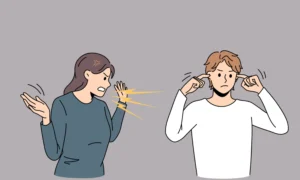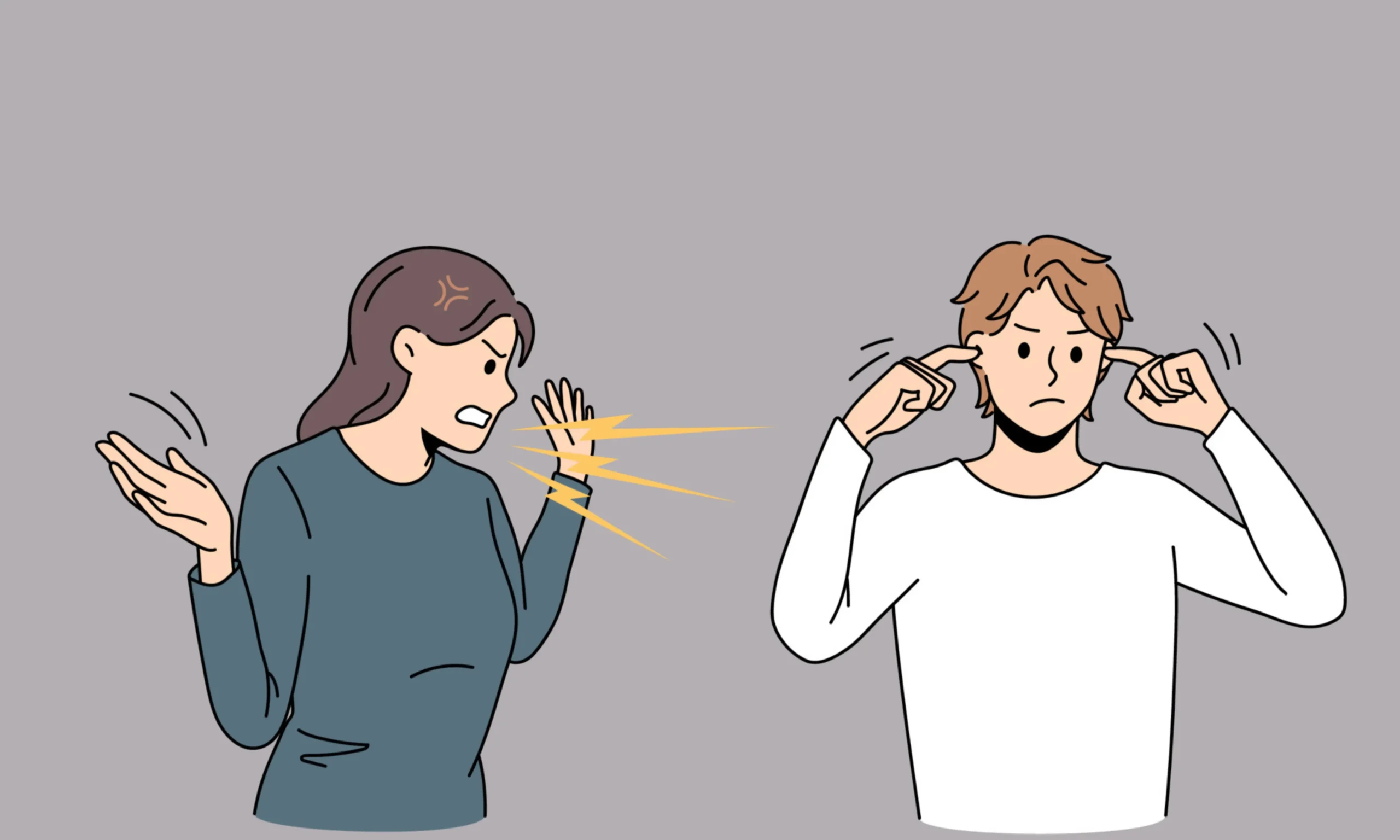
Walking into a home where tension is already in the air can feel confusing and emotionally draining. You may find yourself wondering why small issues suddenly turn into loud arguments. If you’ve ever thought, “Why is my wife yelling at me?”, you’re not alone.
Many husbands experience moments where they feel blindsided by anger that seems to come out of nowhere. However, yelling in marriage is rarely about the immediate issue — it is often a signal of deeper emotional needs, stress, or communication breakdowns that have built up over time.
Understanding the psychology behind conflict can help transform arguments into opportunities for connection rather than escalation. This article will explore the real reasons behind yelling, common relationship patterns that lead to conflict, and practical steps you can take to respond with calmness, empathy, and emotional intelligence. The goal isn’t to assign blame, but to create clarity and healthier communication.
Read More: Cereal Rizz Lines
Surface Triggers and Immediate Causes
When your wife starts yelling, the first instinct is often to focus on what just happened — the dishes weren’t washed, a promise was forgotten, or a comment sounded insensitive. These surface triggers are usually the spark, not the fire itself. Everyday responsibilities in marriage can easily become emotional flashpoints when stress and expectations accumulate.
Household responsibilities are one of the most common causes of conflict. If one partner feels they are carrying more of the domestic workload, frustration can build quietly until it suddenly comes out as anger. Parenting disagreements can also create tension, especially when one parent feels unsupported or overwhelmed by constant decision-making.
Tone and communication style also matter. Short answers, distracted listening, or sarcastic remarks can make a partner feel dismissed even if that was not the intention. In many cases, yelling is not about the specific task but about feeling ignored, stressed, or emotionally disconnected in the moment.
External pressures such as work stress, financial worries, or lack of sleep can also lower emotional tolerance levels. When stress piles up, small annoyances can feel much bigger than they actually are. Understanding these surface triggers helps reveal how daily life pressures can slowly escalate into louder conflicts.
Emotional and Psychological Drivers Behind Yelling
While surface triggers can start an argument, the emotional drivers are usually what keep the conflict going. Yelling in marriage is often less about the situation itself and more about how a person feels inside the relationship. Many wives who yell are expressing emotional needs that have not been fully heard or addressed over time.
One of the most common emotional drivers is feeling unheard or emotionally ignored. If a wife feels like she must repeat herself repeatedly before being taken seriously, frustration can build into louder expressions of emotion. This is not always about communication skills — sometimes it reflects emotional fatigue from trying to be understood.
Another major factor is the mental and emotional load of managing family life. Planning schedules, remembering responsibilities, and coordinating household needs can create invisible pressure. When one partner feels like they are carrying most of this responsibility, resentment can develop slowly and eventually come out as anger during disagreements.
Feeling unappreciated is also a powerful emotional trigger. When efforts in managing the home, career, or children are not acknowledged, emotional distance can grow. Yelling can sometimes function as a signal that appreciation, reassurance, or emotional connection is missing.
Additionally, long-term resentment can accumulate from unresolved past conflicts. Small disappointments that are never fully resolved can stack up emotionally, making future disagreements feel much bigger than they really are.
Psychology and Relationship Patterns That Lead to Yelling
Understanding relationship psychology helps explain why arguments in marriage often follow repeating patterns rather than being isolated events. In many relationships, yelling is not just about one person being angry — it is often part of a deeper communication cycle that develops over time.
One common pattern is the pursuer–withdrawer dynamic, where one partner tends to chase emotional resolution while the other withdraws to avoid conflict. When one partner pushes for conversation and the other shuts down, frustration can quickly escalate into yelling because the pursuing partner feels ignored while the withdrawing partner feels overwhelmed.
Attachment styles also influence conflict behavior. People with more anxious attachment tendencies may express frustration loudly because they fear emotional distance. On the other hand, avoidant attachment styles may respond to emotional pressure by pulling away, which can unintentionally increase tension.
Stress responses play a biological role as well. When a person feels emotionally threatened, their nervous system can shift into a fight-or-flight response. In this state, logic and calm communication become harder, and emotional reactions become stronger.
Communication mismatches are another factor. One partner may want emotional validation and understanding, while the other immediately jumps to problem-solving. This can make the first partner feel dismissed, even if solutions are being offered with good intentions.
Recognizing these psychological patterns can help couples break repetitive conflict cycles and move toward healthier emotional exchanges.
What Most Husbands Do That Makes Yelling Worse
In many conflicts, the goal is not to “win” the argument but to feel understood and emotionally safe. Unfortunately, some common reactions from husbands can unintentionally escalate yelling instead of calming it down.
One frequent mistake is becoming defensive too quickly. Responses like “I didn’t do anything wrong” or “You’re overreacting” may feel like self-protection, but they can make a frustrated partner feel even more unheard. When someone is upset, they often want emotional acknowledgment before logical explanations.
Another common response is minimizing emotions. Statements such as “It’s not a big deal” or “Calm down” can invalidate feelings, even if the intention is to reduce tension. Emotional validation does not mean agreeing with everything — it simply means recognizing that the other person’s feelings are real to them.
Some men also tend to switch to solution mode too quickly. Offering fixes before listening can make it seem like emotions are being rushed or ignored. Sometimes partners want empathy more than immediate solutions.
Avoiding conflict altogether can also make things worse. Silence, emotional withdrawal, or leaving conversations unresolved can cause frustration to build over time, leading to bigger emotional outbursts later.
Improving conflict outcomes often starts with listening first, speaking calmly, and showing willingness to understand before responding.
What To Do When Your Wife Is Yelling
When emotions are high, your primary goal should be reducing tension rather than solving the problem immediately. Trying to win an argument during a heated moment usually makes things worse. Instead, focus on creating emotional safety and showing that you are willing to listen.
Start by lowering your voice and slowing your speech. People often subconsciously mirror each other’s emotional intensity. Speaking calmly can help reduce escalation and shift the tone of the conversation. Avoid matching anger with anger, even if you feel misunderstood.
Next, practice active listening. Let her speak without interrupting, and show that you are paying attention through small verbal acknowledgments like “I understand” or “I hear what you’re saying.” The goal is not to agree immediately but to show that her feelings are being taken seriously.
Use reflective statements to show understanding. For example, you might say, “It sounds like you feel overwhelmed with everything you’re managing.” This helps reduce emotional tension and encourages more constructive conversation.
Ask open-ended questions such as, “What is really bothering you the most right now?” This can help move the conversation from anger to underlying emotional needs.
If emotions are too intense, it is sometimes wise to suggest taking a short break and returning to the conversation later when both partners feel calmer. Taking space is not avoidance — it is often a healthy conflict management strategy.
When Yelling Is a Sign of Deeper Relationship Problems
While occasional conflict is normal in any marriage, frequent or intense yelling can sometimes signal deeper relationship challenges that need more attention than momentary conflict management. Recognizing these warning signs early can help prevent long-term emotional damage.
One major red flag is constant criticism or contempt. When yelling is accompanied by personal attacks, insults, or repeated belittling, it can damage emotional safety in the relationship. Healthy conflict focuses on behaviors or situations, not personal character.
Another concern is chronic emotional disconnection. If conversations only happen during arguments but rarely during calm, positive moments, the relationship may be experiencing emotional distance. Couples need regular positive interactions to balance conflict.
Repeated unresolved conflicts are also problematic. When arguments keep circling back to the same issues without resolution, it may indicate deeper communication or value mismatches that need structured discussion or professional help.
Emotional manipulation, fear-based communication, or control patterns are also serious concerns. Marriage should not create anxiety, fear of speaking, or emotional suppression. Both partners should feel safe expressing their thoughts and feelings.
If yelling becomes frequent, escalates quickly, or is accompanied by emotional abuse patterns, seeking marriage counseling can provide tools for healthier communication. Early intervention is often more effective than waiting for problems to worsen.
How To Fix the Pattern Long-Term and Strengthen Your Marriage
Resolving recurring conflict requires more than managing arguments in the moment — it requires changing relationship habits over time. Building a healthier communication environment helps reduce frustration and creates stronger emotional connection between partners.
One of the most effective long-term strategies is scheduling regular emotional check-ins. Setting aside 15–30 minutes each week to talk about feelings, stress, and relationship needs can prevent resentment from building. During these conversations, focus on listening rather than solving problems immediately.
Another important step is sharing the mental and emotional workload. This includes not only completing household tasks but also anticipating needs without being asked. Taking initiative with responsibilities can help reduce feelings of burden and frustration.
Expressing appreciation intentionally is also powerful. Small acknowledgments like thanking your partner for daily efforts can strengthen emotional bonds. Consistent appreciation helps counterbalance stress and conflict in relationships.
Couples should also prioritize rebuilding emotional and physical connection outside of conflict situations. Spending quality time together, showing physical affection, and sharing enjoyable activities can help restore positive relationship energy.
If conflicts continue despite best efforts, seeking professional counseling is not a sign of failure. Instead, it is a proactive step toward improving communication skills and understanding each other more deeply. Strong relationships are built through continuous emotional investment, patience, and mutual effort.
Healthy vs. Unhealthy Conflict (Boundaries and Warning Signs)
Not all conflict in marriage is bad. In fact, healthy conflict is often a sign that both partners still care about improving the relationship. The key difference lies in how conflict is expressed and resolved.
Healthy Conflict Patterns
Healthy arguments usually focus on solving problems rather than attacking each other. These conversations typically include:
Staying focused on the issue instead of attacking character
Allowing both partners to speak and be heard
Taking breaks when emotions become overwhelming
Showing willingness to apologize when mistakes are made
Working toward solutions together
Healthy conflict also includes emotional safety. Both partners should feel comfortable expressing opinions without.
Healthy vs. Unhealthy Conflict (Continued)
Conflict is a normal and unavoidable part of every marriage. What determines the health of a relationship is not the presence of conflict, but how conflict is expressed, managed, and resolved. Healthy conflict strengthens emotional intimacy and trust, while unhealthy conflict creates emotional distance, resentment, and fear.
In healthy conflict, both partners approach disagreements with the intention of understanding each other rather than winning the argument. Conversations usually stay focused on specific behaviors or situations instead of attacking personal character. Even during disagreements, there is mutual respect, patience, and emotional control. Couples practicing healthy conflict tend to listen actively, validate each other’s emotions, and work toward practical solutions together. Apologies and forgiveness are natural parts of the resolution process, and conflicts are typically resolved without lingering hostility.
In contrast, unhealthy conflict often involves criticism, contempt, defensiveness, or emotional withdrawal. Arguments may escalate quickly, become repetitive, and rarely reach real resolution. Instead of addressing problems directly, partners may use yelling, sarcasm, guilt-tripping, or silent treatment as emotional coping mechanisms. Over time, these patterns can damage trust, reduce emotional safety, and increase relationship anxiety.
Learning to distinguish between healthy and unhealthy conflict is essential for long-term relationship satisfaction. The goal is not to eliminate disagreements but to develop communication habits that allow both partners to feel heard, respected, and emotionally secure.
Healthy Conflict Patterns (Continued)
In healthy relationships, conflict often leads to greater understanding and emotional closeness after resolution. Couples who handle conflict well tend to:
Validate each other’s feelings even during disagreement
Use respectful language
Focus on behaviors rather than personal attacks
Show willingness to compromise
Healthy conflict is not about avoiding disagreement — it is about managing disagreement in a way that preserves respect and emotional safety.
Unhealthy Conflict Patterns (Warning Signs)
Unhealthy conflict patterns tend to damage trust and emotional security over time.
1. Contempt and Disrespect
This includes name-calling, mocking, eye-rolling, or dismissive behavior. Contempt is often one of the strongest predictors of relationship breakdown.
2. Chronic Escalation
If small disagreements frequently turn into major emotional explosions, it may indicate poor emotional regulation or unresolved resentment.
3. Emotional Withdrawal
Silent treatment, avoiding conversation for long periods, or shutting down emotionally can be just as harmful as yelling.
4. Fear-Based Communication
If one partner feels afraid to speak honestly, the relationship may need professional support.
5. Control or Manipulation
Using anger, guilt, or emotional pressure to control behavior is not healthy conflict — it is a power imbalance.
Recognizing these patterns early allows couples to set boundaries, seek help, and rebuild healthier communication habits before problems become more serious.
FAQs
Why does my wife yell at me over small things?
This often happens due to stress, emotional buildup, or feeling unheard over time rather than the small issue itself.
How should I respond when my wife yells at me?
Stay calm, listen actively, avoid defending immediately, and focus on understanding her emotional concern first.
Is yelling normal in marriage?
Occasional conflict is normal, but frequent yelling may signal communication problems or emotional stress.
How can I stop arguments with my wife?
Improve listening skills, share responsibilities, express appreciation, and discuss problems when both partners are calm.
When should we consider marriage counseling?
Consider counseling when conflicts are frequent, emotionally hurtful, or unresolved for long periods.
Does yelling mean my marriage is failing?
Not necessarily. Yelling often indicates communication struggles rather than a lack of love or commitment.
Conclusion
If you constantly find yourself asking, “Why is my wife yelling at me?”, it is important to shift the question from “Why is this happening to me?” to “What is this conflict trying to communicate?” In many marriages, yelling is not simply about anger — it is often about stress, emotional needs, unmet expectations, or long-standing frustrations that have not been fully expressed.
No relationship is completely free of conflict. However, strong marriages are built on curiosity, empathy, patience, and willingness to repair after disagreements. Instead of focusing on winning arguments, focus on building emotional safety and mutual understanding. Small consistent actions, listening more, criticizing less, expressing appreciation, and staying calm during tension, can gradually change relationship dynamics.
If conflict continues to escalate or becomes emotionally harmful, seeking professional guidance is a wise and responsible step. Marriage is a long-term partnership that requires ongoing emotional investment from both sides.
Ultimately, conflict does not necessarily mean your marriage is failing. Sometimes, it simply means both partners are still trying to be heard, understood, and connected. The goal is not to eliminate disagreements, but to learn how to grow through them together.

Roony is the creative mind behind Rizz Line Studio, where words meet style and attitude. With a passion for clever captions, trendy rizz lines, and social media magic, Roony crafts content that speaks directly to today’s generation. Whether it's humor, charm, or wit Roony always delivers the perfect line to match the vibe.