Planning for retirement involves more than saving money—it requires understanding rules that affect how and when you can access your funds. One of the most important rules for IRA owners is the Required Minimum Distribution (RMD) age.
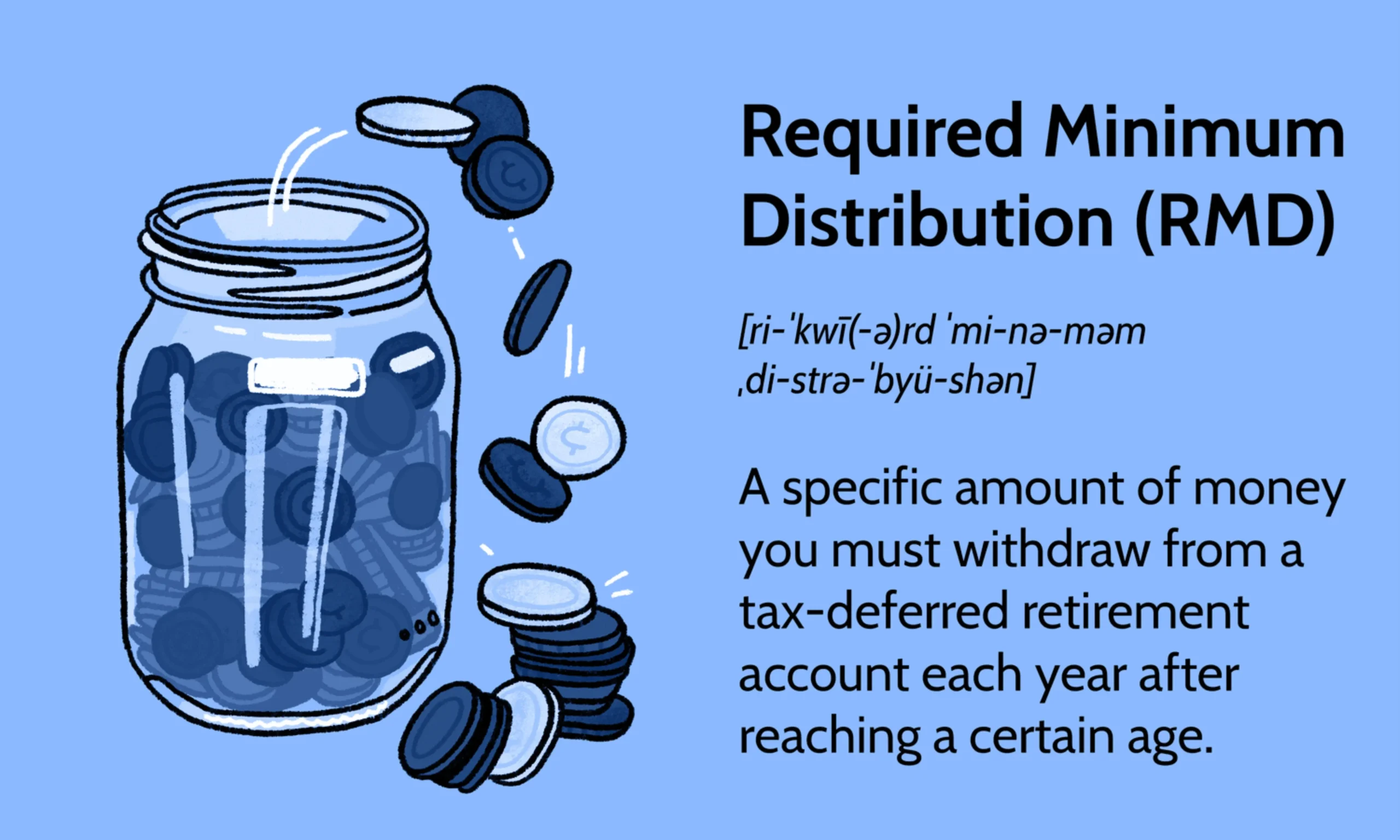
RMDs are the minimum amounts the IRS mandates you withdraw from certain retirement accounts each year once you reach a specific age. Missing these withdrawals can result in significant penalties, while properly planning RMDs can help manage taxes and maximize retirement income.
With recent changes under the SECURE and SECURE 2.0 Acts, the RMD age has increased, giving retirees more flexibility. However, these adjustments can be confusing. Knowing when your RMD starts, how to calculate it, and the deadlines involved is essential for a stress-free retirement. This guide will break down everything you need to know about RMDs, helping you plan strategically and avoid costly mistakes.
Read More: what does naomi mean
Understanding RMD Age Rules
Understanding RMDs (Required Minimum Distributions) is critical for anyone with an IRA or other retirement accounts. RMDs determine how much you must withdraw each year, starting at a specific age set by the IRS. Missing these withdrawals can lead to costly penalties, so knowing the rules and deadlines is essential for effective retirement planning.
What Is an RMD?
A Required Minimum Distribution is the minimum amount you must withdraw annually from certain retirement accounts once you reach the RMD age. It ensures that tax-deferred retirement funds eventually get taxed.
Which Accounts Require RMDs?
Not all retirement accounts require RMDs. These are the main ones:
Traditional IRA, SEP IRA, SIMPLE IRA – RMDs mandatory
401(k) and 403(b) plans – RMDs required unless still employed under certain conditions
Inherited IRAs – RMD rules vary depending on the beneficiary
Roth IRAs – Generally, no lifetime RMDs
Current RMD Age Rules
The IRS recently updated the RMD age:
- Born before 1951: 72
- Born 1951–1959: 73
- Born 1960 or later: 75 (starting 2033)
Why Understanding RMDs Matters
Failing to take RMDs can result in a penalty of up to 25% of the amount not withdrawn. Proper planning can also help manage taxes, optimize retirement income, and coordinate withdrawals with Social Security benefits or charitable contributions.
What You Should Do Now
Once you know your RMD age and rules, it’s time to take action. Proper planning ensures you avoid penalties, manage taxes, and make the most of your retirement funds. Following a step-by-step approach can simplify withdrawals and keep your finances on track.
Step 1: Confirm Your RMD Age
Check your birth year and verify your RMD age based on IRS rules. Remember, your first RMD is typically due by April 1 of the year after you reach the RMD age. Knowing this date early allows you to plan withdrawals strategically.
Step 2: Calculate Your RMD
Your RMD depends on:
Account balance as of December 31 of the previous year
Life expectancy factor from the IRS tableFinancial institutions often provide RMD calculators, but understanding the formula helps you double-check accuracy.
Step 3: Plan Withdrawals Strategically
Consider spreading your withdrawals throughout the year to manage taxes and avoid a large income spike. If you have multiple IRAs, you can combine them for RMD purposes but must withdraw the total required amount.
Step 4: Consult a Financial Advisor
RMDs impact taxes, Social Security, and Medicare premiums. A professional can help you optimize withdrawals, explore strategies like Roth conversions or charitable donations, and avoid costly mistakes.
FAQs
What Happens If I Miss My RMD?
Failing to take your RMD can result in a penalty of up to 25% of the missed amount. Corrective distributions and filing IRS Form 5329 can sometimes reduce the penalty, but prevention is always better than correction.
Do I Have to Take RMDs from Each IRA Separately?
If you have multiple IRAs, you can aggregate RMDs and take the total amount from one or more accounts. However, employer plans like 401(k)s cannot be aggregated—each plan requires its own RMD.
Are Roth IRAs Subject to RMDs?
Roth IRAs do not require lifetime RMDs for the original owner, making them an excellent tool for tax-free growth. However, inherited Roth IRAs may still require RMDs under the 10-year rule.
How Do I Calculate My RMD?
The formula involves your prior year-end account balance divided by the life expectancy factor from the IRS Uniform Lifetime Table. Using online calculators or asking your financial institution can simplify this process.
Conclusion
Understanding your RMD age and rules is crucial for a smooth retirement. Taking required minimum distributions on time helps you avoid penalties, manage taxes effectively, and plan your retirement income strategically. With recent changes to RMD ages under the SECURE Acts, staying informed has never been more important.
By confirming your RMD age, calculating your withdrawals accurately, and planning strategically—or seeking professional guidance, you can ensure your retirement funds work for you, not against you. Proactive RMD management protects your savings, supports tax efficiency, and can even enhance legacy planning through strategies like charitable donations or Roth conversions.

Roony is the creative mind behind Rizz Line Studio, where words meet style and attitude. With a passion for clever captions, trendy rizz lines, and social media magic, Roony crafts content that speaks directly to today’s generation. Whether it's humor, charm, or wit Roony always delivers the perfect line to match the vibe.