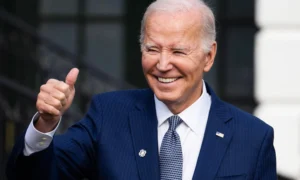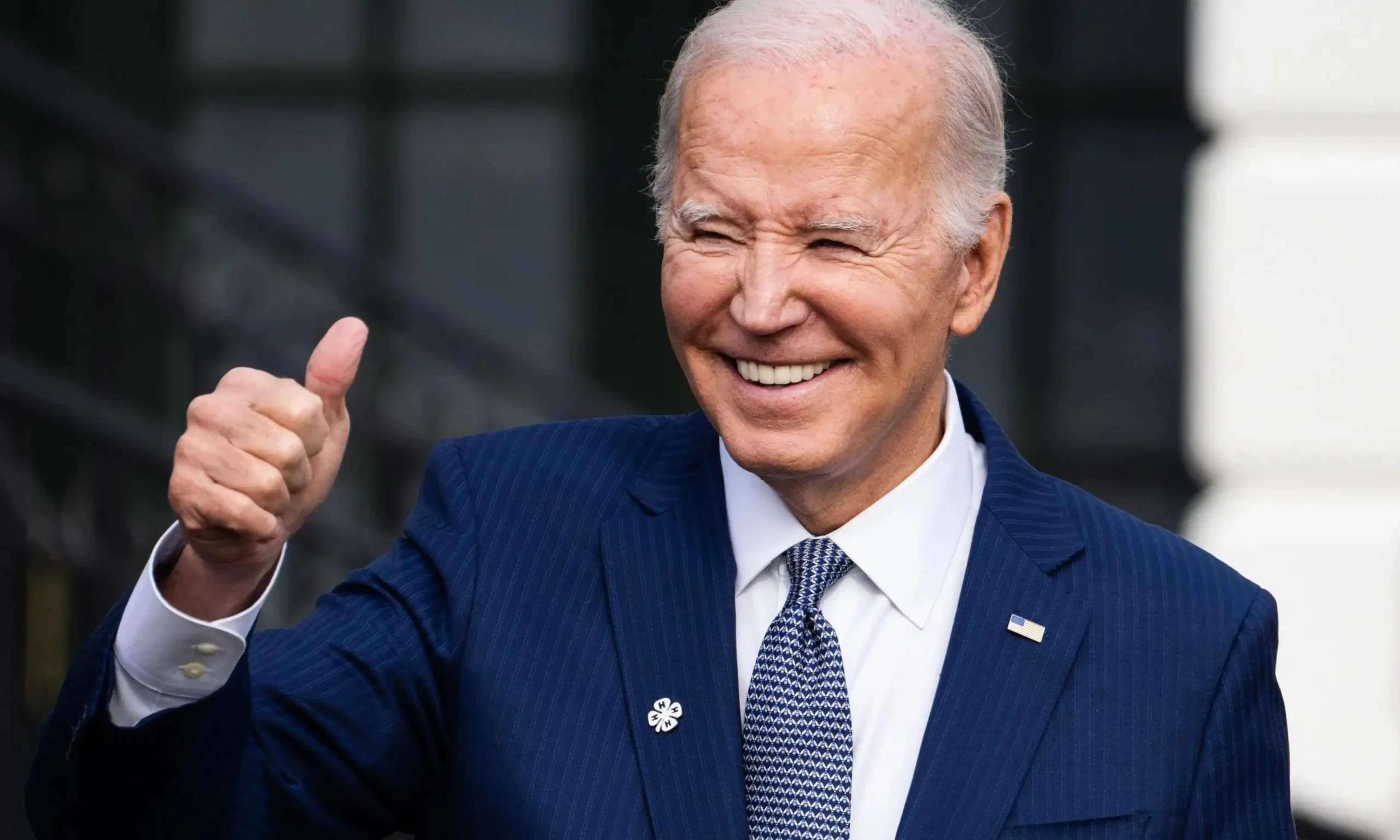
Age has become one of the most talked-about aspects of modern American politics, and no president exemplifies this discussion more than Joe Biden. Born on November 20, 1942, Biden is the oldest president in U.S. history, having assumed office at the age of 78.
His age has sparked conversations about experience, stamina, and leadership in an era where voters increasingly weigh generational perspectives. While some see his decades of political service as a strength, others question whether age could affect his capacity to govern effectively.
Beyond public perception, Biden’s age also intersects with medical evaluations, media scrutiny, and campaign strategies, making it a focal point for both supporters and critics. This article takes an in-depth look at every facet of Joe Biden’s age, from historical comparisons and health assessments to public opinion and its influence on the presidency, offering a comprehensive guide for readers seeking clarity.
Read More: what does a rainbow mean
Joe Biden’s Age: The Basic Facts
Joe Biden was born on November 20, 1942, making him 83 years old in 2026. His age is not just a number—it has shaped his political journey and made him a historic figure in American history as the oldest sitting U.S. president.
Biden’s political career spans decades, from his election to the U.S. Senate in 1972 at age 29 to serving as Vice President under Barack Obama from 2009 to 2017. He officially became president on January 20, 2021, at the age of 78, surpassing Donald Trump, who was 70 at his inauguration.
Key milestones highlighting his age and experience include:
29 years old: Elected to the U.S. Senate
66 years old: Elected Vice President
78 years old: Inaugurated as President
83 years old: Current age, making him the oldest president in U.S. history
Biden’s age has fueled discussions about experience versus stamina, shaping both media narratives and public perception.
Historical Context: Age of U.S. Presidents
Understanding Joe Biden’s age requires looking at the history of U.S. presidents and how age has played a role in leadership. Throughout American history, presidents have taken office at a wide range of ages, from Theodore Roosevelt, who became president at 42, to Biden’s record-breaking 78.
Recent presidents provide a clear contrast:
Barack Obama assumed office at 47
George W. Bush at 54
Donald Trump at 70
Biden not only surpassed Trump but also became the first president to serve into his 80s. Historically, the average age at inauguration has steadily increased, reflecting longer life expectancy, the importance of political experience, and the trend toward seasoned candidates.
Joe Biden’s Age at Major Career Milestones
Joe Biden’s age has been closely tied to his political journey, highlighting a career that spans more than half a century. His milestones show not just longevity but the accumulation of experience that has shaped his leadership style.
1972 – U.S. Senate: Biden was elected at 29 years old, making him one of the youngest senators in American history. His early start gave him decades to gain legislative experience and develop deep connections in Washington.
2009 – Vice President: At 66 years old, he assumed the vice presidency under Barack Obama, bringing his Senate experience to national executive leadership.
2020 – Presidential Election: Biden campaigned at 77 years old, emphasizing experience, resilience, and his ability to bridge political divides.
2021 – Presidency: At 78 years old, he was inaugurated, becoming the oldest president in U.S. history.
These milestones illustrate a career where age and experience are intertwined. While his long tenure has provided unmatched political knowledge, it has also sparked public debate about stamina, health, and the ability to adapt in a rapidly changing world.
Health, Fitness, and Medical Transparency
Age inevitably raises questions about Joe Biden’s health and fitness, especially given the demanding nature of the presidency. To address public concerns, the White House has periodically released medical reports that detail Biden’s physical and cognitive condition.
According to his most recent evaluation, Biden is described as fit to execute the duties of the presidency, with normal age-related changes consistent with someone in their early 80s. His medical team highlights healthy cardiovascular function, controlled cholesterol, and overall physical resilience. Cognitive assessments indicate no impairment, with doctors noting that he maintains sharp mental acuity.
Transparency about a president’s health is both a tradition and a political necessity. Historical comparisons show that past presidents, including Ronald Reagan and Donald Trump, faced similar scrutiny regarding stamina and fitness. In Biden’s case, public disclosure of medical evaluations aims to reassure voters while acknowledging that the rigors of the office naturally intersect with age.
Cognitive Ability and Performance Concerns
One of the most debated aspects of Joe Biden’s age is its potential impact on cognitive ability and day-to-day performance. Critics often point to verbal gaffes, pauses during speeches, and occasional misstatements as signs of age-related decline. Supporters, however, argue that such moments are normal human errors, not indicators of diminished capacity.
Medical experts note that while cognitive functions can change with age, many individuals in their 80s maintain sharp decision-making, memory, and executive function, particularly when they lead active, mentally engaged lives—as Biden does. Public perception, though, is heavily influenced by media coverage and social media amplification, where isolated incidents can create disproportionate concern.
Ultimately, evaluating Biden’s cognitive performance requires distinguishing occasional lapses from systemic impairment. While age is a factor worth considering, decades of political experience, daily briefings, and executive decision-making suggest he continues to operate at a level consistent with the demands of the presidency.
Experience vs. Age: The Benefits of an Older President
While age often draws scrutiny, it also brings unique advantages to leadership—advantages that are particularly evident in Joe Biden’s presidency. Decades of political experience have provided Biden with institutional knowledge, negotiation skills, and a deep understanding of both domestic and international policy that few younger leaders can match.
Having served over 36 years in the U.S. Senate and eight years as Vice President, Biden has cultivated relationships across party lines, allowing him to navigate complex legislative processes more effectively. His long tenure also contributes to crisis management capabilities, providing historical perspective on events like economic recessions, foreign policy challenges, and public health emergencies.
For many voters, these qualities demonstrate that wisdom, perspective, and experience often outweigh concerns about stamina or age. Biden’s leadership illustrates that while youth brings energy, advanced age can offer strategic foresight and a measured approach—critical attributes in a high-stakes role like the presidency.
Political Attacks and Campaign Strategy Around Age
Age has become a frequent point of discussion in political campaigns, and Joe Biden has not been exempt. Opponents often highlight his age to raise doubts about stamina, decision-making, and ability to handle crises, framing him as less capable compared to younger candidates. This strategy appears in debates, campaign ads, and social media commentary, where moments of verbal slips or extended pauses are amplified to support the narrative.
Biden’s team counters by emphasizing experience, resilience, and a track record of effective leadership. Campaign messaging often frames age as a strength, showcasing his decades of public service and historical perspective on national and international issues. Additionally, his staff ensures that appearances, speeches, and schedules are structured to maintain energy and focus, mitigating perceptions of age-related decline.
This tug-of-war between criticism and defense of age demonstrates how perceptions of leadership are often shaped as much by messaging and media framing as by actual performance.
Public Opinion: What Voters Think About Biden’s Age
The age of Joe Biden is a topic that consistently appears in public opinion polls and voter discussions. Surveys show that while some Americans view his age as a concern—questioning stamina, cognitive sharpness, or ability to handle crises—many others see it as a sign of experience and wisdom.
Data suggests that concerns about age often vary by political affiliation and age group. Older voters, especially those who value experience, tend to view Biden’s long tenure positively, whereas younger voters may favor generational change or more energetic leadership. Party lines also shape perception: Democrats are more likely to emphasize his experience, while Republicans often highlight age-related vulnerabilities.
Overall, public sentiment reflects a balanced mix of respect for experience and concern about longevity, illustrating how age has become both a political talking point and a measure of credibility. Biden’s approval ratings show that while age is discussed, policy decisions and leadership effectiveness continue to heavily influence voter opinion.
Media Coverage and Framing of Biden’s Age
Media plays a critical role in shaping public perception of Joe Biden’s age. News outlets, opinion pieces, and social media often highlight verbal gaffes, pauses in speeches, or moments of fatigue, which can amplify concerns about his stamina and cognitive sharpness. Headlines sometimes frame age as a potential liability, while opinion articles on the same topics may portray it as a natural consequence of experience and longevity.
Coverage tends to differ across political lines: conservative media often emphasize age-related vulnerabilities, while liberal media focus on his expertise, resilience, and policy achievements. Social media platforms magnify both perspectives, sometimes turning minor incidents into viral narratives that influence voter impressions.
Overall, media framing underscores how age is not just a biological fact but a symbolic and political lens, affecting how citizens interpret leadership, effectiveness, and credibility. Understanding these portrayals is essential for evaluating public discourse surrounding Biden’s presidency.
Joe Biden’s Age and the 2024 Election
The age of Joe Biden has become a focal point in discussions about the 2024 presidential election. At 81 years old during the campaign, Biden is older than any other major candidate in recent U.S. history, a fact that both his supporters and critics use strategically.
Opponents often raise concerns about stamina, energy, and the potential for age-related health issues, framing age as a reason to consider alternative leadership. Supporters, in contrast, emphasize his decades of experience, policy knowledge, and proven crisis management, portraying age as a strength rather than a weakness.
Voter sentiment varies across demographics: older voters tend to appreciate Biden’s experience, while younger voters may prefer generational change. The age factor also influences campaign strategy, from scheduling and travel to speech delivery and debate preparation. Ultimately, Biden’s age intersects with broader election issues—policy, leadership style, and party priorities—making it a key but not sole determinant in voter decisions.
Age in U.S. Politics More Broadly
The discussion around Joe Biden’s age reflects a broader trend in American politics: leadership is increasingly held by older individuals. The average age of members of Congress has risen steadily, with many senators serving well into their 70s and 80s. This trend highlights both the value of experience and the debate over generational representation.
Older leaders often bring institutional knowledge, long-term perspective, and policy expertise, but critics argue that prolonged tenure can limit opportunities for younger voices and slow innovation. The conversation extends globally as well: several world leaders, including the likes of Vladimir Putin and Xi Jinping, are in their 70s or older, prompting similar discussions about energy, adaptability, and public perception.
In the U.S., the intersection of age, experience, and political power is shaping not just elections but the legislative process and the future of governance, raising questions about term limits, succession planning, and the evolving expectations of voters.
Legal and Constitutional Considerations
Age in the presidency is not merely a political issue—it also has legal and constitutional dimensions. The U.S. Constitution sets a minimum age requirement of 35 for the president, but there is no maximum age limit. This means that someone like Joe Biden can legally serve as long as they meet the age minimum and maintain eligibility.
The 25th Amendment provides a mechanism for addressing presidential incapacity, allowing the vice president and Cabinet to temporarily assume duties if the president is unable to perform them. While originally designed for sudden health crises, this amendment has been cited in public debates about age and fitness.
Historically, presidents have faced questions about their ability to serve due to health or age, but the Constitution emphasizes competence over numerical age, leaving it to voters and political institutions to judge whether a candidate’s age impacts their ability to lead.
Myth vs. Fact: Clearing Up Misconceptions
Discussions about Joe Biden’s age often include myths and exaggerated claims. Separating fact from fiction is essential for a balanced understanding.
Myth 1: Biden is too old to handle the presidency.
Fact: Age alone does not determine capability. Biden’s medical evaluations indicate he is fit to serve, and decades of political experience equip him to handle executive responsibilities effectively.
Myth 2: Every verbal gaffe is age-related decline.
Fact: Occasional slips are normal for any public figure. Experts emphasize that isolated misstatements do not equate to cognitive impairment.
Myth 3: Older leaders cannot adapt to modern challenges.
Fact: Experience often provides a strategic advantage, and Biden has navigated complex crises like the COVID-19 pandemic, foreign policy challenges, and economic recovery efforts.
By understanding these distinctions, voters can assess Biden’s presidency based on performance and experience, rather than assumptions about age alone.
Future Implications: What Biden’s Age Means Going Forward
The age of Joe Biden carries implications that extend beyond his current term. His presidency highlights how aging leadership is shaping American politics, influencing both voter expectations and candidate selection in future elections.
Biden’s tenure demonstrates that older leaders can bring experience, historical perspective, and crisis management skills, but it also raises questions about succession planning, stamina, and generational representation. Younger politicians may use his age to argue for fresh perspectives and energetic leadership, while parties may adjust campaign strategies to emphasize continuity and wisdom.
Globally, Biden’s presidency is part of a broader pattern where leaders are serving longer and entering office at advanced ages, prompting discussions about term limits, health disclosures, and leadership longevity. Ultimately, his age underscores a central question in modern politics: how to balance experience and capability with the demands of a fast-paced, evolving world.
FAQ
How old is Joe Biden right now?
Joe Biden was born on November 20, 1942, making him 83 years old in 2026.
Is Joe Biden the oldest president ever?
Yes. At 78 years old at his inauguration, Biden became the oldest sitting U.S. president in history, surpassing Donald Trump, who was 70 at his inauguration.
How old was Biden when he became president?
Biden was 78 years old on January 20, 2021, the day of his inauguration.
Has any president been older while in office?
No president has served past the age of 83 while in office, making Biden’s current age historically significant.
Does Biden’s age affect his ability to serve?
While some critics raise concerns about stamina and cognitive sharpness, medical evaluations and decades of experience suggest that he remains capable of fulfilling presidential duties. Public opinion varies, but age alone is not considered a definitive measure of presidential effectiveness.
Conclusion
Age is undeniably a defining characteristic of Joe Biden’s presidency, shaping public perception, media coverage, and political discourse. At 83 years old, he is the oldest president in U.S. history, and his long career brings a wealth of experience, institutional knowledge, and leadership skills.
However, age alone does not determine effectiveness. While critics raise concerns about stamina or cognitive sharpness, medical evaluations and decades of public service suggest that Biden remains capable of fulfilling the responsibilities of the office. His presidency illustrates the balance between experience and vitality, showing that wisdom and perspective can be just as crucial as energy and youth.
Ultimately, Biden’s age is a lens through which voters, media, and historians examine his leadership, but it is his decisions, policies, and ability to navigate challenges that will define his legacy—not the number of years he has lived.

Roony is the creative mind behind Rizz Line Studio, where words meet style and attitude. With a passion for clever captions, trendy rizz lines, and social media magic, Roony crafts content that speaks directly to today’s generation. Whether it's humor, charm, or wit Roony always delivers the perfect line to match the vibe.