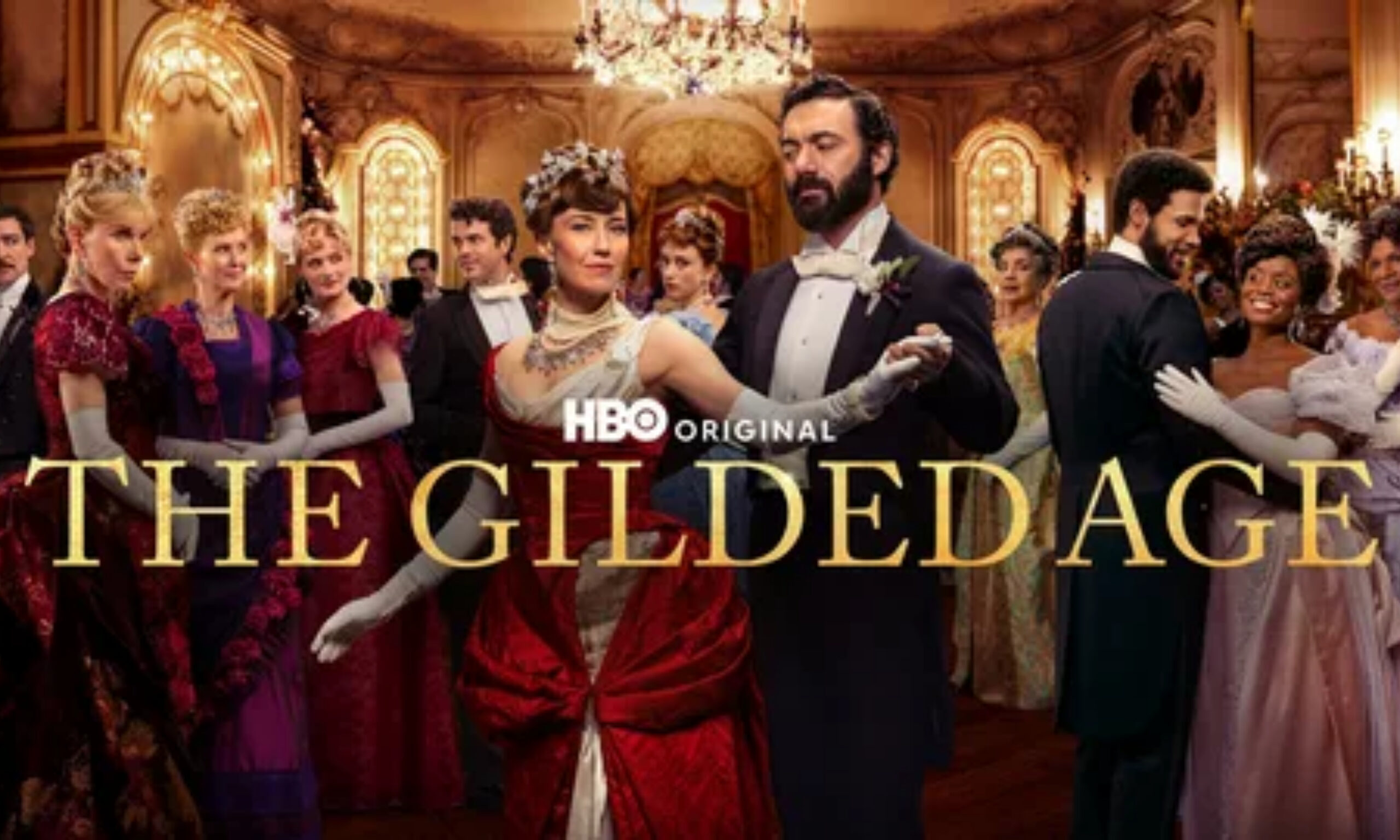
The Gilded Age, spanning roughly from the 1870s to 1900, was one of the most transformative—and paradoxical—periods in American history. Named by Mark Twain and Charles Dudley Warner, the term “gilded” perfectly captures the era: a glittering surface of wealth and progress that masked deep social and economic problems.
During this time, the United States experienced rapid industrialization, the rise of powerful corporations, and a surge in urban growth fueled by immigration. Skyscrapers rose alongside sprawling slums, and fortunes amassed by figures like Andrew Carnegie and John D. Rockefeller contrasted sharply with the harsh conditions faced by factory workers and miners.
Political corruption ran rampant, yet the era also sowed the seeds of reform movements and labor activism that would shape the nation for decades. Understanding the Gilded Age reveals not only how America grew wealthy but also how inequality and social challenges became deeply entrenched in its fabric.
Read More: what does single malt mean
Economic Transformation
The Gilded Age was defined by unprecedented economic growth and industrial expansion, reshaping the American landscape and society. Central to this transformation was industrialization: factories multiplied, mechanization spread, and mass production became the engine of progress. Key industries—steel, railroads, oil, and textiles—expanded rapidly, supported by innovations such as the Bessemer steel process, electricity, the telegraph, and the telephone. Cities grew around these industries, with immigrants and rural Americans flocking to urban centers to find work.
Alongside industrial growth, the rise of big business dramatically altered the economy. Entrepreneurs like Andrew Carnegie in steel and John D. Rockefeller in oil built vast empires through strategies such as vertical and horizontal integration, forming monopolies and trusts that controlled entire sectors. Stock markets and corporate finance surged, creating enormous wealth—but also consolidating power in the hands of a few.
Urbanization accompanied industrial expansion. Cities like New York, Chicago, and Pittsburgh became hubs of commerce and innovation, yet they also faced overcrowding, inadequate sanitation, and sprawling slums. This rapid transformation created opportunities for some while exposing the vast social inequalities beneath the era’s glittering surface.
The economic revolution of the Gilded Age was remarkable, laying the foundation for modern America. But as wealth and technology soared, the growing divide between rich and poor, coupled with weak regulations, highlighted the era’s central tension: progress on the surface, problems lurking underneath.
Social Structure & Inequality
While the Gilded Age showcased tremendous economic growth, it was also an era of stark social inequality. At the top, a small group of industrialists—often called “robber barons”—accumulated unimaginable wealth. Figures like Carnegie, Rockefeller, and Cornelius Vanderbilt lived in opulent mansions and controlled entire industries, symbolizing the glittering success of the era. Yet beneath this gilded surface, millions of workers endured harsh realities: long hours, unsafe conditions, and meager pay. Factories, mines, and mills frequently employed child labor, and labor laws were minimal or unenforced.
Labor unrest became a defining feature of this period. Strikes like the Homestead Strike (1892) and the Pullman Strike (1894) highlighted the growing tension between workers seeking fair treatment and corporations defending profits. Many unions, including the Knights of Labor and the American Federation of Labor (AFL), emerged to organize workers and demand safer conditions, yet they often faced violent suppression.
Immigration played a crucial role in shaping the social landscape. Millions arrived from Europe and Asia, fueling industrial labor needs but also intensifying overcrowding in urban areas. Immigrants settled in ethnic neighborhoods, contributing rich cultural traditions while confronting poverty, discrimination, and limited opportunities.
Urbanization magnified inequality: cities expanded rapidly, but housing, sanitation, and public services lagged behind. Slums became a common reality for the working class, starkly contrasting the luxury of the wealthy elite.
The Gilded Age, therefore, was a tale of two Americas: one of dazzling prosperity and another of systemic hardship. Understanding these social dynamics is essential to grasping the deeper tensions of the era—tensions that would ultimately fuel reform movements and labor activism in the years to come.
Political Landscape
The Gilded Age was not only a time of economic upheaval but also of political corruption and weak government oversight. Politics during this era were dominated by powerful political machines, most famously Tammany Hall in New York City, led by Boss Tweed. These organizations manipulated elections, controlled city contracts, and used patronage to reward loyal supporters, often at the expense of public welfare. Bribery, vote-buying, and graft were widespread, giving wealthy industrialists significant influence over legislation and local governance.
At the federal level, presidents like Rutherford B. Hayes, James Garfield, and Grover Cleveland faced the challenge of balancing economic growth with reform. Efforts to curb corruption included civil service reforms, such as the Pendleton Civil Service Act of 1883, which aimed to reduce patronage by introducing merit-based government hiring. However, enforcement was inconsistent, and many corporate interests continued to sway lawmakers.
Legislation during the Gilded Age often struggled to keep up with rapid industrial growth. The Interstate Commerce Act of 1887 sought to regulate railroads and prevent unfair pricing, while the Sherman Antitrust Act of 1890 was designed to limit monopolies and trusts. Despite these laws, enforcement was weak, and many corporations found ways to exploit loopholes.
The era also saw the rise of reform-minded movements and influential figures who challenged corruption and corporate power. Populist leaders, journalists, and early progressive reformers began advocating for government accountability, workers’ rights, and economic fairness, setting the stage for the Progressive Era.
The political landscape of the Gilded Age reveals a nation struggling to balance unprecedented economic expansion with social equity. While wealth and industry flourished, the combination of political corruption and limited oversight left many citizens disenfranchised and vulnerable, highlighting the need for systemic reform.
Culture & Intellectual Life
The Gilded Age was not only a period of economic and political change but also a time of vibrant cultural and intellectual development. Literature, journalism, and the arts reflected both the promise and the contradictions of the era. Writers like Mark Twain, who famously co-authored The Gilded Age: A Tale of Today, used satire to expose the stark divide between wealth and poverty, critiquing the era’s social and political corruption. Realism became a dominant literary style, portraying everyday life with honesty and attention to detail, often highlighting urban struggles and labor hardships.
Mass media also flourished. Newspapers and magazines expanded rapidly, reaching millions of readers and shaping public opinion. Investigative journalists, known as muckrakers, began exposing corporate abuses, unsafe working conditions, and political scandals, laying the groundwork for social reform.
Education and science saw significant advancements. Universities and technical schools grew, fostering innovation and producing professionals to support industrial expansion. Scientific discoveries and technological innovations, such as electricity and communication systems, transformed everyday life and fueled further economic growth.
Social movements gained momentum as well. Labor unions like the Knights of Labor and the American Federation of Labor organized workers to demand better conditions, while women’s rights groups, such as the National American Woman Suffrage Association (NAWSA), advocated for voting rights and greater societal participation. Philanthropy from wealthy industrialists also contributed to libraries, schools, and cultural institutions, reflecting both altruism and a desire to shape society.
The cultural and intellectual life of the Gilded Age mirrored its broader contradictions: an era of progress, innovation, and wealth alongside social tension and inequality. Literature, education, and activism not only chronicled the times but also inspired movements that would challenge injustice and shape the future of the United States.
The Dark Side of the Gilded Age
Beneath the glittering surface of wealth and industrial progress, the Gilded Age was marked by severe social and economic challenges. While a small elite amassed fortunes, the majority of Americans—particularly industrial workers, immigrants, and rural laborers—faced harsh living and working conditions. Factories, mines, and mills were often dangerous, with minimal safety regulations. Child labor was widespread, and workers endured long hours for low pay, with little recourse against abusive employers.
Urbanization intensified these hardships. Cities grew rapidly, but infrastructure lagged behind. Crowded tenements and poor sanitation led to outbreaks of disease, while inadequate housing and limited public services kept the working class in poverty. Immigrant communities faced discrimination, language barriers, and limited upward mobility, further entrenching inequality.
Political corruption exacerbated these problems. Business leaders influenced politicians and manipulated legislation to protect corporate interests, often at the expense of ordinary citizens. Anti-labor policies and violent suppression of strikes, such as the Pullman Strike and the Homestead Strike, highlighted the imbalance of power between workers and industrialists.
Environmental degradation also accompanied industrial growth. Factories and railroads polluted air and waterways, and unchecked resource extraction left long-term ecological damage.
The “gilded” metaphor is apt: from afar, the era appeared prosperous and modern, but a closer look revealed systemic exploitation, poverty, and injustice. These hidden struggles created social tensions that would fuel labor activism, reform movements, and the eventual Progressive Era, as Americans began demanding fairness, regulation, and a more equitable society.
Long-Term Impact
The Gilded Age left a profound and lasting mark on American society, politics, and the economy. The rapid industrialization and expansion of corporations laid the foundation for the United States’ emergence as a global economic power. Innovations in steel, railroads, electricity, and communication transformed not only industry but everyday life, creating the infrastructure for modern cities and national markets.
At the same time, the era’s extreme wealth inequality and social injustices highlighted the need for reform. The struggles of workers, the poor, and immigrants during the Gilded Age directly inspired the Progressive Era (1900–1920). Labor laws, antitrust regulations, and social reforms emerged as attempts to curb corporate abuses, improve working conditions, and regulate monopolies. For example, the Sherman Antitrust Act and later antitrust enforcement sought to prevent the concentration of economic power that had defined the Gilded Age.
Culturally, the period influenced literature, journalism, and social consciousness. Writers, journalists, and reformers exposed corruption and inequality, shaping public awareness and policy debates. Urban planning, public education, and philanthropic initiatives also grew out of the challenges identified during this era.
The Gilded Age serves as a cautionary tale: unchecked economic growth and technological progress can create prosperity, but without oversight, they can also deepen social divides. Many contemporary issues—income inequality, corporate influence in politics, urban challenges—mirror those of the Gilded Age. Understanding this period helps illuminate the roots of modern American society, showing how innovation, ambition, and inequality have long existed side by side.
The legacy of the Gilded Age is thus a blend of achievement and warning: it propelled the nation forward while exposing vulnerabilities that continue to resonate today.
FAQs
What was the Gilded Age?
The Gilded Age (1870s–1900) was a period of rapid industrial growth, urbanization, and wealth accumulation in the United States, marked by extreme social inequality.
Who were the major figures of the Gilded Age?
Key figures include industrialists like Andrew Carnegie, John D. Rockefeller, and Cornelius Vanderbilt, as well as political leaders such as Rutherford B. Hayes and Grover Cleveland.
Why is it called the Gilded Age?
The term, coined by Mark Twain and Charles Dudley Warner, refers to a “gilded” or shiny surface of wealth that hides the era’s deep social and economic problems.
What were the main social issues during the Gilded Age?
Workers faced low wages, long hours, child labor, unsafe conditions, and urban poverty, while immigrants often endured discrimination and overcrowded housing.
What led to the end of the Gilded Age?
Growing social unrest, labor strikes, political reforms, and the rise of the Progressive Era helped address corruption and inequality, gradually transforming American society.
How did the Gilded Age shape modern America?
It laid the foundation for modern industrial capitalism, labor laws, antitrust regulations, urban infrastructure, and social reform movements that still influence the U.S. today.
Conclusion
The Gilded Age was a period of striking contrasts—an era of unprecedented economic growth, technological innovation, and cultural development, yet also one marked by stark inequality, political corruption, and social struggle. The fortunes of industrial magnates stood in sharp contrast to the poverty faced by workers, immigrants, and urban residents, highlighting the hidden costs of rapid progress. At the same time, the era laid the groundwork for reform, labor activism, and the Progressive Era, as Americans began demanding fairness, accountability, and social justice.
By examining the Gilded Age, we gain insight into the complexities of growth and modernization: how innovation can coexist with exploitation, and prosperity with inequality. Its lessons resonate today, reminding us that the glitter of wealth and progress must be balanced with responsibility, equity, and compassion. Understanding this pivotal period allows us to appreciate both the achievements and the cautionary lessons embedded in American history.

Roony is the creative mind behind Rizz Line Studio, where words meet style and attitude. With a passion for clever captions, trendy rizz lines, and social media magic, Roony crafts content that speaks directly to today’s generation. Whether it's humor, charm, or wit Roony always delivers the perfect line to match the vibe.