Knowing your exact age may seem simple, but in many cases, precision matters more than you think. From medical assessments and academic eligibility to legal documents and research studies, calculating your chronological age accurately can make a real difference.
Chronological age is the total time you have lived since your birth, usually expressed in years, months, and days. Unlike biological or mental age, which can vary based on health or cognitive development, chronological age is fixed and objective.
Whether you’re a student checking exam eligibility, a parent tracking a child’s growth, or a researcher needing accurate demographic data, having a reliable way to calculate age is essential. This article will explain exactly what chronological age is, show you how to calculate it manually, and provide a free online calculator so you can get precise results instantly.
Read More: what does 504 gateway timeout mean
What is Chronological Age?
Chronological age is the exact amount of time a person has lived since birth. It’s measured in years, months, and days and is the most straightforward way to express age. This type of age is widely used in legal documents, medical assessments, academic settings, and research because it provides a consistent, objective measure.
Unlike biological age, which reflects how “old” your body seems based on health, or mental age, which measures cognitive development, chronological age is fixed—it cannot be changed or influenced by lifestyle. For example, someone born on January 1, 2000, is 26 years, 0 months, and 13 days old on January 14, 2026, regardless of their health, fitness, or mental capacity.
Understanding chronological age is essential when calculating eligibility for exams, school enrollment, retirement benefits, or pediatric growth milestones. In the next section, we’ll explore how it differs from other types of age and why those distinctions matter.
Chronological Age vs Other Age Types
While chronological age simply measures the time since birth, there are other ways to describe age that serve different purposes. Understanding these distinctions is important for medical, academic, and research contexts.
1. Biological Age
Biological age reflects how “old” your body appears based on health, lifestyle, and physiological factors. Two people of the same chronological age can have different biological ages depending on fitness, nutrition, and genetics.
2. Corrected Age
Corrected age is mainly used for premature babies. It accounts for the number of weeks a baby was born early to more accurately track growth and developmental milestones. For example, a baby born 8 weeks early who is 6 months old chronologically would have a corrected age of about 4 months.
3. Mental Age
Mental age measures cognitive development and learning ability, often compared with peers to identify developmental progress.
By knowing these differences, you can choose the right type of age for exams, medical assessments, or research.
How to Calculate Chronological Age Manually
Calculating chronological age by hand is simple once you know the steps. The goal is to find the exact time between a person’s birthdate and the current date, expressed in years, months, and days.
Step-by-Step Formula
Years: Subtract the birth year from the current year.
Months: Subtract the birth month from the current month. If the result is negative, subtract one year and add 12 months.
Days: Subtract the birth day from the current day. If negative, subtract one month and add the number of days in the previous month.
Example 1: Adult
- Birthdate: March 10, 1990
- Current date: January 14, 2026
- Calculation:
- Years: 2026 – 1990 = 36 → subtract 1 because March hasn’t occurred yet = 35 years
- Months: 1 – 3 = -2 → adjust = 10 months
- Days: 14 – 10 = 4 days
- Result: 35 years, 10 months, 4 days
Example 2: Child
- Birthdate: September 25, 2018
- Current date: January 14, 2026
- Result: 7 years, 3 months, 20 days
By following this method, you can calculate age accurately without a tool, though a calculator makes it faster and eliminates errors.
Free Chronological Age Calculator Tool
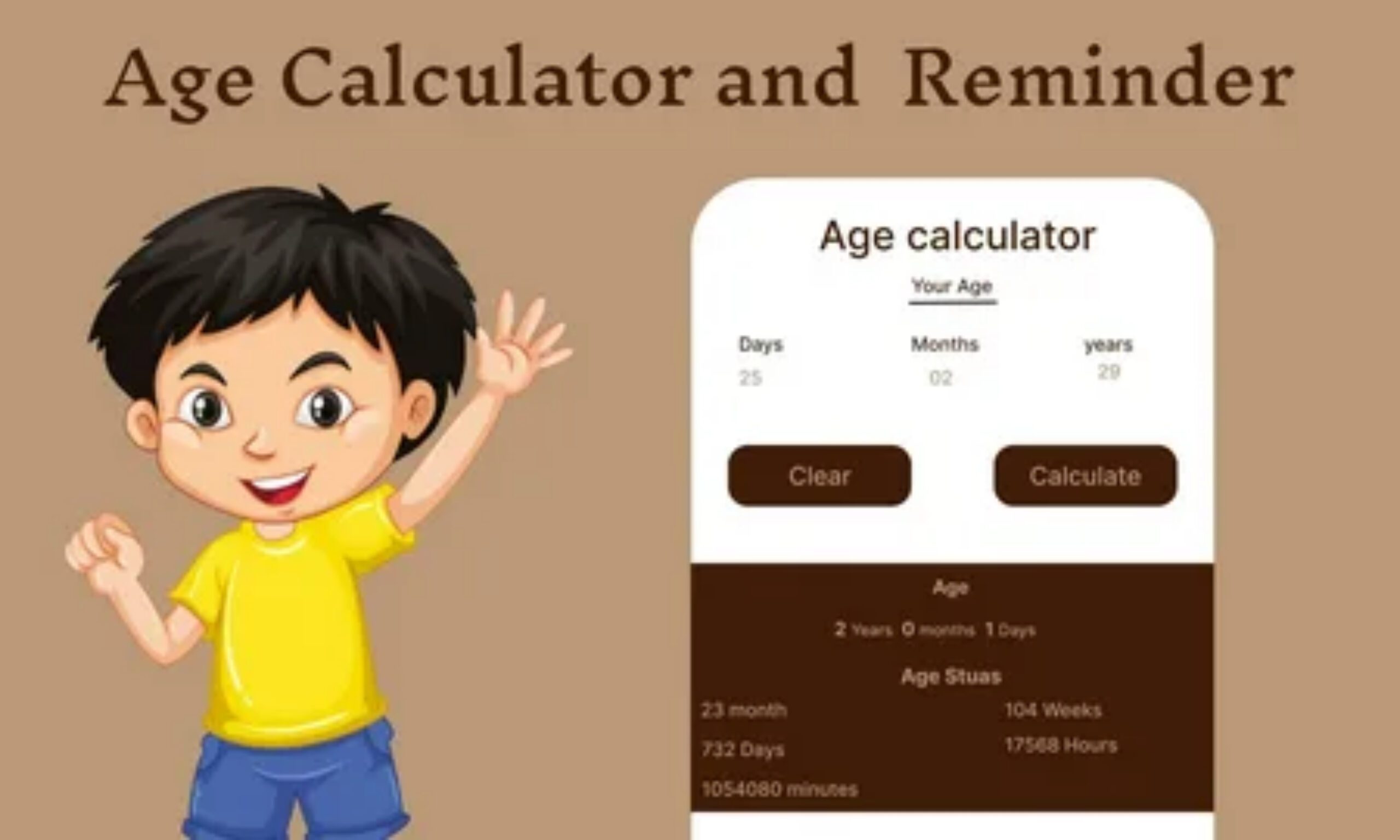
For quick and accurate results, a chronological age calculator is the easiest solution. Instead of manually calculating years, months, and days, you can use an online tool to get precise results instantly.
How to Use the Calculator
Enter your date of birth.
Enter the current date (or let the tool automatically use today’s date).
Click “Calculate”.
View your age in years, months, and days.
Why Use a Calculator?
- Accuracy: Eliminates manual errors when handling months and leap years.
- Speed: Instant results for any date range.
- Convenience: Works for adults, children, and even premature babies (with corrected age).
- Research & Documentation: Ideal for clinical studies, academic records, or legal documents.
With this tool, anyone can get an exact age in seconds, making it perfect for parents, students, researchers, and professionals alike.
Importance of Knowing Your Chronological Age
Understanding your chronological age isn’t just a matter of curiosity—it has practical implications across multiple areas of life.
1. Medical Applications
Pediatric growth tracking: Doctors use chronological age to compare children’s development against standard growth charts.
Medication dosing: Some treatments and vaccines are age-specific.
Screening & checkups: Preventive screenings often depend on exact age.
2. Academic Applications
- School admissions: Many schools have strict age cutoffs for enrollment.
- Exam eligibility: Competitive exams often require minimum or maximum age limits.
3. Legal Applications
- Age verification: Required for official documents, voting, marriage, or driving licenses.
- Retirement & benefits: Chronological age determines eligibility for pensions or senior programs.
4. Research Applications
- Accurate age data ensures reliable demographic and clinical research.
- Helps in studies related to child development, population statistics, or health trends.
5. Everyday Uses
- Tracking birthdays, milestones, or personal achievements.
- Planning age-related events or celebrations.
Knowing your chronological age ensures decisions—medical, academic, legal, or personal—are based on precise and reliable data.
Frequently Asked Questions
What if my birthday hasn’t occurred yet this year?
If your birthday hasn’t happened yet, subtract one year from the difference between the current year and your birth year, and then calculate the months and days accordingly.
How is chronological age different from biological age?
Chronological age is the exact time since birth, while biological age reflects how your body is aging based on health, lifestyle, and genetics. Two people can have the same chronological age but different biological ages.
Can I calculate chronological age for a leap day baby?
Yes! For someone born on February 29, use February 28 or March 1 in non-leap years when calculating manually or via a calculator.
Can this calculator be used for research purposes?
Absolutely. Chronological age is commonly used in studies involving pediatric growth, clinical trials, demographic research, and more.
How accurate is the tool compared to manual calculation?
A reliable calculator eliminates manual errors, especially when handling months, days, and leap years, giving precise results instantly.
Tips & Best Practices
To ensure accurate and reliable chronological age calculations, follow these simple tips:
Double-check your birthdate input
Always verify the day, month, and year before calculating. A small mistake can lead to incorrect results.
Use the calculator for official purposes when possible
For legal, academic, or medical documentation, relying on a trusted online tool reduces the risk of errors.
Be mindful of leap years
Tools handle leap years automatically, but if calculating manually, remember February 29 only occurs every four years.
Understand the context
Choose chronological, corrected, or biological age depending on your needs. For example, corrected age is used for premature babies, while chronological age is required for school admissions.
Keep a record if needed
For research or ongoing medical tracking, record calculated ages with the date for future reference.
Following these best practices ensures your age calculations are precise, consistent, and useful for any purpose.
Conclusion
Calculating your chronological age may seem simple, but accuracy matters in many areas of life—from medical assessments and research studies to school admissions and legal documents. Chronological age provides a fixed, objective measure of time lived, unlike biological or mental age, which can vary.
By understanding the definition, knowing how to calculate it manually, and using a reliable online calculator, you can ensure precise results in seconds. Whether you’re a parent tracking a child’s growth, a student checking exam eligibility, or a professional needing accurate data, having the right tools and knowledge makes all the difference.
Use the steps, tips, and free calculator provided in this article to get your exact age in years, months, and days, and make informed decisions confidently. Knowing your chronological age has never been easier or more accurate.

Roony is the creative mind behind Rizz Line Studio, where words meet style and attitude. With a passion for clever captions, trendy rizz lines, and social media magic, Roony crafts content that speaks directly to today’s generation. Whether it's humor, charm, or wit Roony always delivers the perfect line to match the vibe.