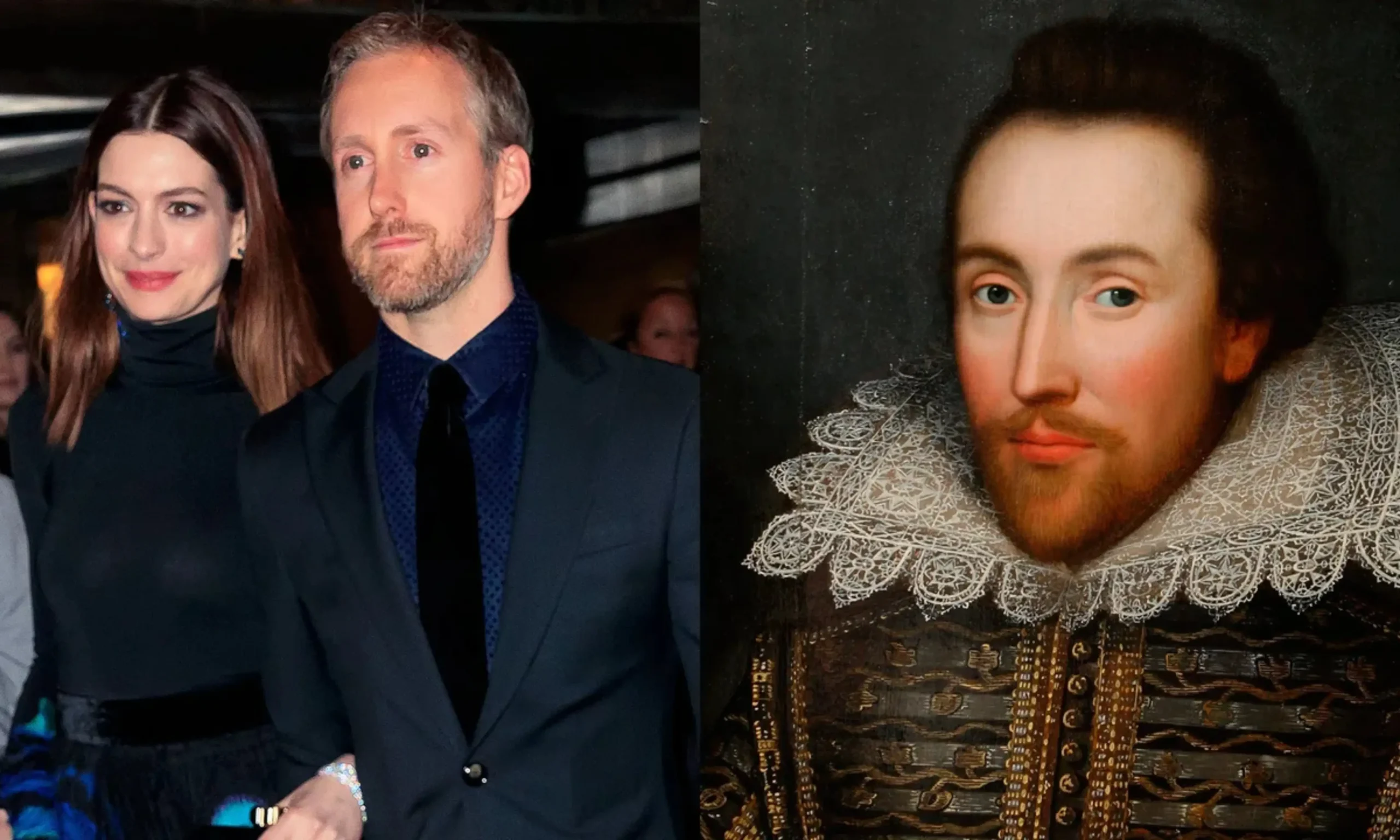
When people think of the genius of William Shakespeare, they often imagine the stages of London, the Globe Theatre, and the immortal lines of Hamlet and Romeo and Juliet. Rarely, however, do they pause to consider the woman he married—Anne Hathaway.
Known primarily as Shakespeare’s wife, Anne has long remained a shadowy figure in literary history, defined more by speculation than by solid evidence. Yet her life in Stratford-upon-Avon offers a fascinating window into marriage, motherhood, and womanhood in Elizabethan England.
From their controversial age difference to the famous “second-best bed” mentioned in Shakespeare’s will, Anne’s story raises compelling questions about love, partnership, and legacy alongside the wealth and net worth behind their social rise. Who was Anne Hathaway beyond the footnotes—and what might her life reveal about the private world, status, and net worth behind England’s greatest playwright?
Read More: what does db mean in football
Women and Marriage in Elizabethan England
To understand Anne Hathaway’s life, we must first understand the world she inhabited. In sixteenth-century England, a woman’s legal and social identity was largely defined by marriage. Under the system of coverture, a married woman’s property and legal rights were absorbed into those of her husband. While unmarried women and widows could sometimes manage property independently, wives were expected to focus on domestic responsibilities—childbearing, household management, and supporting their husbands’ social standing.
Marriage in Elizabethan England was both a personal and economic arrangement. Families often considered land, inheritance, and social alliances when approving matches. Age gaps were not uncommon, particularly in rural communities, and premarital pregnancy frequently accelerated wedding plans. In this context, the marriage between Anne Hathaway and the young William Shakespeare was not necessarily scandalous but reflective of broader social patterns. Understanding these norms helps separate historical reality from later romantic speculation about their relationship.
Early Life of Anne Hathaway
Anne Hathaway was born around 1556 in the small village of Shottery, just outside Stratford-upon-Avon. She was the daughter of Richard Hathaway, a yeoman farmer who owned land and maintained a respectable position within the local community. Though not wealthy aristocrats, the Hathaway family enjoyed relative stability and social standing in rural Warwickshire.
Growing up in the English countryside, Anne would have learned the practical skills expected of women in Tudor society—managing household accounts, preserving food, brewing ale, tending gardens, and overseeing servants or laborers when necessary. Formal education for girls was limited, but she likely received religious instruction and basic literacy, particularly if her family valued scripture reading.
Her upbringing in a farming household would have prepared her well for marriage and domestic leadership. By the time she met William Shakespeare, Anne was already a mature woman shaped by responsibility, community ties, and the rhythms of rural life.
Marriage to William Shakespeare
In November 1582, Anne Hathaway married the eighteen-year-old William Shakespeare. Anne was approximately twenty-six at the time—an age difference that has fueled centuries of speculation. However, such gaps were not unheard of in Elizabethan England, particularly when economic stability and family interests were involved. What made the marriage more urgent was Anne’s pregnancy. Their first child, Susanna, was born six months after the wedding, suggesting the couple sought a special license to marry quickly.
Over the next few years, Anne gave birth to twins, Hamnet and Judith, in 1585. As Shakespeare’s career eventually took him to London, Anne remained in Stratford-upon-Avon, raising their children and managing the household. Whether their marriage was marked by deep affection or practical partnership remains uncertain. Surviving records reveal little about their personal relationship, leaving historians to interpret legal documents and property transactions for clues about their shared life.
The Shakespeare “Lost Years” and Family Separation
Much of what historians call Shakespeare’s “lost years” refers to the period between the birth of his twins in 1585 and his emergence as a successful playwright in London in the early 1590s. During this time, records of William Shakespeare’s activities are sparse, but it is widely believed that he pursued opportunities in the London theatre scene. As his career expanded, he spent long periods away from his family in Stratford-upon-Avon.
Meanwhile, Anne Hathaway remained at home raising their three children. This separation was not unusual for the time, especially for men pursuing professional or commercial success in cities while their families stayed in rural communities. Shakespeare later purchased property in Stratford, including his family home, suggesting he continued to provide financial support. Scholars debate whether the distance between them reflected emotional strain, economic practicality, or simply the lifestyle demands of a traveling playwright. What is clear is that Anne played a central role in maintaining the household and family stability during these years of separation.
The Second-Best Bed Controversy
One of the most debated aspects of Anne Hathaway’s life comes from the will of William Shakespeare, written shortly before his death in 1616. In the document, he famously left Anne his “second-best bed,” a phrase that has sparked centuries of interpretation. Some Victorian-era readers viewed this as a sign of disrespect or emotional distance within the marriage. However, modern historians tend to interpret the bequest more carefully within the social and cultural context of the time.
In Elizabethan households, the best bed was often reserved for guests, while the second-best bed was typically the marital bed and held sentimental value. As a result, some scholars argue that the bequest may have been a personal gesture rather than an insult. Others believe the will reflects legal and financial norms rather than emotional relationships, since Shakespeare left most of his estate to his daughters, particularly Susanna. Because personal letters between Anne and Shakespeare do not survive, the true meaning of the bequest remains uncertain, allowing historians and readers alike to continue debating its significance.
Widowhood, Later Life, and Death
After the death of William Shakespeare in 1616, Anne Hathaway lived for another seven years as a widow. During this time, she resided at the Shakespeare family property in Stratford-upon-Avon, known as New Place, where she lived a relatively quiet life. Widowhood in Elizabethan society often gave women more legal independence than marriage, since widows could own property, manage finances, and make decisions without male oversight.
Anne’s life during these years is not well documented, but it is believed she remained connected to her daughters and grandchildren. Her daughter Susanna inherited much of Shakespeare’s estate and maintained the family’s social status in the community. Anne died in 1623 at the age of about 67 and was buried beside her husband at Holy Trinity Church. Her epitaph describes her as a devoted wife, emphasizing her role within family and society. While her personal voice is largely absent from historical records, her burial and memorialization reflect her lasting place within Shakespearean history.
Cultural Legacy and Modern Interpretations
Today, Anne Hathaway is remembered not only as the wife of William Shakespeare but also as a symbol of how women’s histories are often reconstructed through limited evidence. Her life has inspired debates among historians, literary scholars, and feminist critics about how women connected to famous men are represented in historical narratives.
Anne’s childhood home, now known as Anne Hathaway’s Cottage, has become a major heritage tourism site managed by the Shakespeare Birthplace Trust. Visitors are drawn to the site to imagine her early life and experience Tudor-era domestic architecture and culture. However, historians caution that such sites often blend history with romantic storytelling to attract tourism.
In modern literature and media, Anne is sometimes portrayed as a lonely wife left behind while Shakespeare pursued fame in London. Other interpretations present her as a strong, practical woman who managed family and property responsibilities. Ultimately, Anne Hathaway’s legacy reflects broader questions about how history remembers—or overlooks—the lives of ordinary women in extraordinary historical periods.
Historical Debate and Scholarly Perspectives
Historians continue to debate the true nature of the relationship between Anne Hathaway and William Shakespeare because of the lack of personal letters or diaries. This scarcity of primary sources has led to competing interpretations of her life. Earlier Victorian historians often portrayed Anne as older, controlling, or emotionally distant from Shakespeare. More recent scholarship challenges these assumptions, arguing that such interpretations reflect Victorian social attitudes rather than Tudor reality.
Some scholars view the marriage as primarily practical, rooted in social and economic considerations rather than romantic love. Others suggest that emotional affection may have existed but simply was not recorded, as private emotional expression was rarely documented in sixteenth-century rural England. Additionally, historians analyze legal records, wills, and property transactions to reconstruct their relationship indirectly.
Modern scholarship increasingly emphasizes the importance of viewing Anne Hathaway as an independent historical figure rather than solely as Shakespeare’s wife. However, because evidence remains limited, many aspects of her personality, opinions, and daily experiences will likely remain unknown.
Anne Hathaway in Literature, Film, and Popular Culture
Anne Hathaway’s story has been reinterpreted in numerous works of literature, theatre, and film, reflecting changing attitudes toward women in history. In many modern retellings, she is portrayed as a more complex and emotionally rich character than earlier historical accounts suggested. Writers often imagine her relationship with William Shakespeare as either romantic, conflicted, or deeply pragmatic, depending on the theme of the work.
In historical fiction, Anne is sometimes depicted as a supportive rural wife patiently waiting while Shakespeare built his career in London. Other interpretations challenge this narrative by portraying her as socially and emotionally independent. Film and television adaptations frequently focus on domestic life in Stratford-upon-Avon, highlighting marriage, motherhood, and rural Tudor culture. These portrayals, while not always historically accurate, help maintain public interest in her life and contribute to ongoing discussions about women’s roles in history and literature.
Anne Hathaway’s Children and Family Life
Anne Hathaway and William Shakespeare had three children: Susanna, and twins Hamnet and Judith. Susanna was born in 1583, followed by the twins in 1585. The birth of their children was an important part of Anne’s life, as motherhood was central to a woman’s social role in Elizabethan England.
The most tragic event in the family’s history was the death of their son Hamnet in 1596 at the age of eleven. Childhood mortality was common during the period due to disease and limited medical knowledge. Some literary scholars speculate that Hamnet’s death may have influenced Shakespeare’s later writing, particularly his more emotionally complex plays. However, there is no direct historical evidence linking specific works to this personal loss.
Their daughter Susanna later married a physician, while Judith married a vintner. Susanna inherited much of Shakespeare’s estate, helping preserve the family’s financial and social standing in Stratford-upon-Avon.
Anne Hathaway’s Personality and Character Interpretations
Because direct personal writings from Anne Hathaway have not survived, historians can only speculate about her personality based on indirect evidence. Some scholars describe her as practical and resilient, qualities typical of women who managed rural households in Elizabethan England. Living in a farming community likely required strong organizational skills, economic awareness, and social intelligence.
Other interpretations portray Anne as emotionally stable and socially grounded, based on her long marriage to William Shakespeare and her continued residence in Stratford-upon-Avon after his career moved to London. However, Victorian-era writers sometimes depicted her negatively, portraying her as older, domineering, or mismatched with Shakespeare. Modern historians challenge these portrayals, arguing they reflect cultural biases rather than historical evidence.
Overall, Anne’s true personality remains one of history’s mysteries. What can be inferred is that she successfully navigated marriage, motherhood, widowhood, and property life during a complex historical period.
Anne Hathaway’s Property, Wealth, and Economic Status
Anne Hathaway’s economic situation improved significantly through her marriage to William Shakespeare. As Shakespeare became financially successful through his work in London theatre, he invested in property in Stratford-upon-Avon, helping secure the family’s long-term financial stability.
One of the most important properties associated with Anne was New Place, one of the largest houses in Stratford-upon-Avon at the time. Owning property was a sign of social advancement, as land ownership was closely tied to wealth and respectability in Elizabethan society. As a widow after Shakespeare’s death in 1616, Anne had legal rights to live in the property and maintain her household.
While there is little evidence that Anne was directly involved in business or commerce, she benefited from Shakespeare’s economic success. Her social status shifted from the daughter of a rural yeoman family to the wife and later widow of one of England’s most successful playwrights. This transition illustrates how marriage could function as a path to social mobility for women in Tudor England.
Religious Life and Beliefs
Religion played an important role in Elizabethan society, and Anne Hathaway likely shared the religious environment of rural Warwickshire during her lifetime. Although no personal records of her religious beliefs survive, it is generally assumed that she practiced Anglican Christianity, as was common in sixteenth- and early seventeenth-century England following the English Reformation.
Anne was buried at Holy Trinity Church, the same church where William Shakespeare was buried. Her burial location and epitaph suggest that she was regarded as a respected member of the local religious community. Church attendance was both a spiritual duty and a social expectation during this period, especially in small towns like Stratford-upon-Avon.
Religious customs also influenced marriage, family life, and death rituals. While Anne’s personal spiritual views remain unknown, her life would have been shaped by the moral and religious expectations of Tudor England.
Anne Hathaway’s Social Relationships and Community Life
Anne Hathaway likely maintained strong social ties within her local community in Stratford-upon-Avon, even while her husband, William Shakespeare, spent much of his career in London. In rural Elizabethan England, social life was centered around family networks, church gatherings, markets, and village social events.
As a member of a respectable yeoman family, Anne would have interacted with neighbors, relatives, and other local households through cooperative labor, religious activities, and community celebrations. Women in Tudor villages often supported each other through childbirth, childcare, and household labor. These informal social networks were essential for survival and social stability.
After Shakespeare became financially successful, Anne’s social standing likely improved, allowing her access to higher-status social circles within Stratford-upon-Avon. However, historical records do not provide detailed information about her personal friendships or social preferences, leaving this aspect of her life largely speculative.
Controversies and Misconceptions About Anne Hathaway
Over the centuries, several myths and misconceptions have developed about Anne Hathaway and her marriage to William Shakespeare. Many of these ideas originated from Victorian-era interpretations rather than historical evidence.
One common misconception is that Shakespeare abandoned his wife when he moved to London. In reality, there is no evidence of marital conflict in surviving records. While Shakespeare spent long periods away pursuing his theatrical career, he continued to maintain financial and property connections to Stratford-upon-Avon, suggesting ongoing family support.
Another controversial topic is the age difference between Anne and Shakespeare. Although Anne was about eight years older, such age gaps were not unusual in Elizabethan marriages. The narrative of an unhappy or forced marriage largely comes from later literary speculation rather than primary historical sources.
Overall, historians emphasize the need to separate documented facts from cultural myths when studying Anne Hathaway’s life and legacy.
Anne Hathaway’s Historical Significance
Anne Hathaway’s historical significance lies not in political achievements or literary works, but in what her life reveals about women’s experiences in Elizabethan England. As the wife of William Shakespeare, she represents the many women whose lives were shaped by marriage, family responsibilities, and social expectations rather than public recognition.
Her life provides valuable insight into Tudor-era marriage customs, rural community life, and women’s economic roles within households. Through her story, historians can better understand how women contributed to family stability, property management, and social continuity even when their names were largely absent from written records.
Anne Hathaway’s legacy also highlights the importance of reexamining historical narratives. Rather than viewing her only through her husband’s fame, modern scholarship increasingly recognizes her as a historical figure worthy of independent study. Her story continues to influence discussions about gender, history, and the preservation of women’s voices in historical documentation.
FAQs
Was Anne Hathaway older than Shakespeare?
Yes, Anne was about 8 years older than William Shakespeare, which was not unusual in Tudor marriages.
Did Shakespeare love Anne Hathaway?
There is no direct proof, but property records suggest he maintained financial and family ties with her.
What was the second-best bed meaning?
It was likely the marital bed, possibly a sentimental bequest rather than an insult.
How many children did Anne Hathaway have?
She had three children: Susanna, Hamnet, and Judith, with Hamnet dying young.
Where is Anne Hathaway buried?
She is buried at Holy Trinity Church in Stratford-upon-Avon beside Shakespeare.
Conclusion
The life of Anne Hathaway, wife of William Shakespeare, reminds us how history often preserves the stories of famous men while leaving women’s lives partially hidden. Though few personal records of Anne survive, the fragments that remain—marriage records, property documents, and burial inscriptions—allow historians to reconstruct the outline of a life shaped by Tudor social norms, family responsibility, and community ties.
Rather than being remembered as simply Shakespeare’s wife, Anne represents the experiences of countless women in Elizabethan England who managed households, raised children, and navigated social expectations with limited public recognition. Modern scholarship continues to challenge older stereotypes and romantic myths, offering a more balanced understanding of her life. Ultimately, Anne Hathaway’s story is valuable not only for what it reveals about Shakespeare’s personal life, but also for what it teaches about women’s roles in history and the importance of preserving overlooked voices from the past.

Roony is the creative mind behind Rizz Line Studio, where words meet style and attitude. With a passion for clever captions, trendy rizz lines, and social media magic, Roony crafts content that speaks directly to today’s generation. Whether it's humor, charm, or wit Roony always delivers the perfect line to match the vibe.