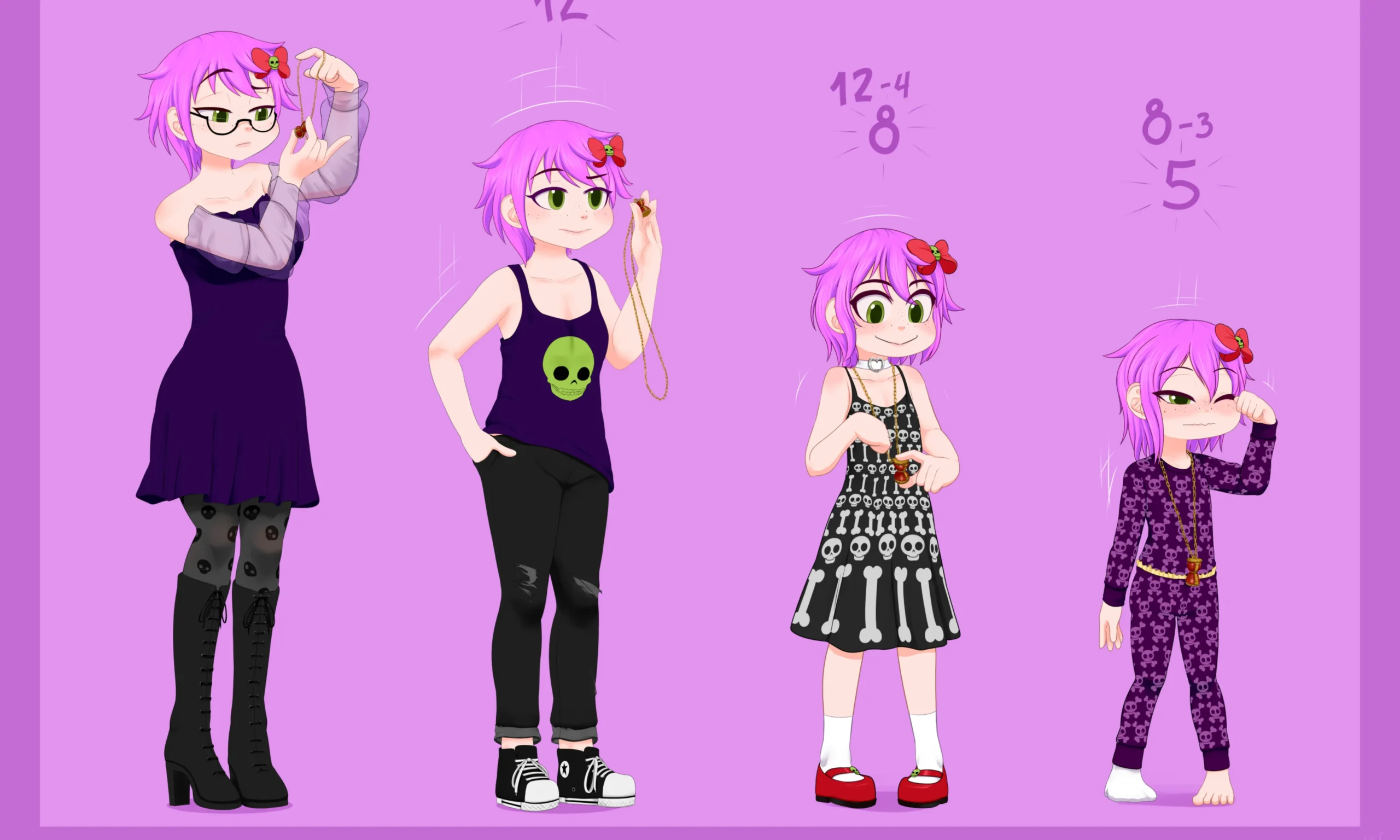
Have you ever noticed someone slipping into childlike behavior, or perhaps felt yourself retreating to a younger version of you during stressful moments? This is called age regression, a fascinating psychological phenomenon that many people experience, consciously or unconsciously.
While it might sound unusual at first, age regression is actually a natural coping mechanism that helps individuals manage anxiety, trauma, or overwhelming emotions. In this article, we’ll explore what age regression is, why it happens, and how it can be expressed in everyday life.
We’ll also clear up common misconceptions and provide tips for approaching it safely—whether it’s for yourself or someone you care about. Whether you’re curious, concerned, or simply seeking to understand human behavior better, this guide is here to shed light on the topic. By the end, you’ll see age regression as more than just a quirk—it’s a meaningful window into emotional well-being.
What is Age Regression?
Age regression is a psychological phenomenon where a person temporarily reverts to behaviors, thoughts, or feelings typical of a younger age. It can be voluntary, when someone consciously engages in childlike activities for comfort, or involuntary, occurring naturally in response to stress, trauma, or emotional overwhelm. Unlike actual childhood memories, age regression is about reliving a mindset or emotional state, not changing chronological age.
People may regress in subtle ways, such as using simpler language, seeking comfort objects, or showing playful behavior. For some, it serves as a coping mechanism, providing emotional relief and safety during challenging times. In therapy, age regression can also help individuals process past experiences, though this is carefully guided by trained professionals.
It’s important to understand that age regression is not inherently harmful. Many people experience it without any negative consequences, especially when it is a controlled, voluntary practice. Recognizing the signs and triggers can help both individuals and loved ones respond with understanding and compassion.
Causes of Age Regression
Age regression can happen for many reasons, often tied to emotional needs or life experiences. One of the most common causes is stress and anxiety. When life feels overwhelming, regressing to a younger, safer mindset can provide a temporary escape and a sense of comfort. Similarly, trauma or past negative experiences can trigger involuntary regression, helping the brain cope with difficult emotions by revisiting a time when responsibilities felt lighter.
Voluntary age regression often occurs as a self-soothing mechanism. People may engage in childlike activities—such as coloring, playing with toys, or watching cartoons—to relax, reduce anxiety, or reconnect with simpler joys. Nostalgia is another factor; objects, music, or memories from childhood can naturally spark regressive feelings.
Environmental cues, like safe spaces, familiar routines, or comforting sensory experiences, can also encourage regression. Understanding these causes helps normalize age regression, showing it as a healthy emotional strategy when practiced safely rather than a sign of weakness.
Age Regression in Daily Life
Age regression can show up in many aspects of daily life, sometimes subtly and other times more noticeably. At home, individuals might engage in playful activities like drawing, watching cartoons, or cuddling with a favorite plush toy. These behaviors often provide comfort and stress relief, creating a safe space to unwind after a challenging day.
In social settings or at work, regression may be more subtle. People might use simpler speech patterns, lighthearted humor, or childlike gestures when they feel stressed or overwhelmed. This does not mean immaturity; rather, it is a natural coping mechanism that helps manage emotions.
Some individuals also use age regression as a structured practice, incorporating it into daily routines with mindfulness, journaling, or self-care. When balanced, it can boost emotional resilience and foster self-awareness. Understanding these expressions helps normalize the behavior and allows friends, family, and coworkers to respond with empathy instead of judgment.
Age Regression and Mental Health
Age regression can have both positive and challenging effects on mental health. On the positive side, it often serves as a coping mechanism for managing stress, anxiety, or past trauma. By temporarily returning to a younger mindset, individuals can self-soothe, reduce emotional overwhelm, and gain a sense of safety and comfort. Therapists sometimes use age regression in guided therapy sessions to help clients process difficult memories in a controlled and supportive environment.
However, age regression can also pose challenges if it interferes with daily responsibilities or relationships. Misunderstandings from family, friends, or coworkers may lead to judgment or stigma, which can increase stress instead of alleviating it. It is important to recognize triggers, set boundaries, and practice regression safely to ensure it remains a healthy emotional tool.
When approached mindfully, age regression can enhance self-awareness, emotional regulation, and resilience, helping individuals navigate life’s challenges with greater ease.
Myths and Misconceptions
Age regression is often misunderstood, which leads to myths and misconceptions that can make people hesitant to talk about or explore it. One common myth is that age regression is childish or immature. In reality, it is a psychological tool many adults use to cope with stress or emotional overwhelm, not a sign of weakness.
Another misconception is that age regression is always involuntary or linked to trauma. While trauma can be a trigger, many people engage in voluntary age regression as a safe and mindful way to relax, self-soothe, or reconnect with simpler joys. Some believe it is unhealthy or dangerous, but when practiced responsibly and with boundaries, age regression is typically harmless and can even improve emotional well-being.
Understanding these myths helps reduce stigma and encourages open, informed conversations about age regression. It emphasizes that regression is a normal, adaptive, and sometimes therapeutic behavior, not something to hide or feel ashamed about.
How to Approach Age Regression Safely
Age regression can be a healthy coping tool when approached thoughtfully and with boundaries. For individuals practicing regression, it’s important to create a safe and comfortable space, whether through a quiet room, soft lighting, or familiar objects that provide comfort. Setting time limits and balancing regressive activities with daily responsibilities helps ensure it remains positive and does not interfere with work, relationships, or self-care.
For friends, family, or partners, understanding and respect are key. Avoid judgment or criticism, and offer support without forcing participation. Listening, asking gentle questions, and respecting boundaries can help the person feel safe and accepted.
Combining age regression with other healthy coping strategies—like mindfulness, journaling, or talking to a therapist—can enhance its benefits. With these practices, age regression becomes a positive tool for emotional regulation, stress relief, and personal growth rather than a source of shame or confusion.
Age Regression vs. Other Psychological Conditions
It’s important to distinguish age regression from other psychological conditions to avoid confusion or misdiagnosis. Age regression is primarily a coping mechanism or emotional response, whereas certain mental health conditions, like dissociative disorders, involve more persistent identity or memory disruptions. Similarly, regression in therapy is guided and controlled, unlike involuntary episodes triggered by extreme stress.
Unlike nostalgia or childlike play, age regression can involve temporary emotional and behavioral shifts that feel immersive and comforting. While it is typically harmless, it can sometimes overlap with conditions like PTSD, anxiety, or depression if it becomes the main method of coping.
Professional guidance is recommended if regression interferes with daily life, causes distress, or is accompanied by other psychological symptoms. A trained therapist can help individuals use age regression safely while addressing underlying emotional needs, ensuring it remains a healthy, adaptive tool rather than a disruptive behavior.
FAQ
Is age regression normal?
Yes, it is a natural coping mechanism many adults use to relieve stress and feel safe.
Can age regression be harmful?
It is generally safe if balanced with daily responsibilities and boundaries. Professional guidance is recommended if it causes distress.
What triggers age regression?
Stress, trauma, nostalgia, and certain environmental cues can trigger regression, either voluntarily or involuntarily.
How does age regression help mental health?
It reduces anxiety, provides emotional comfort, and can be used therapeutically to process trauma safely.
Is age regression a disorder?
No, it is typically a coping tool rather than a mental health disorder, although professional support may be helpful in some cases.
Conclusion
Age regression is a fascinating and often misunderstood psychological phenomenon. It can serve as a healthy coping mechanism, helping individuals manage stress, process emotions, and find comfort in challenging moments. By understanding its causes, signs, and safe practices, we can approach age regression with empathy and awareness rather than judgment.
Whether voluntary or involuntary, age regression can be a meaningful tool for emotional well-being when balanced with daily life and responsibilities. By creating safe spaces, respecting boundaries, and combining regression with other self-care strategies, both individuals and their loved ones can embrace it positively. Understanding age regression allows us to support ourselves and others while celebrating the ways people naturally nurture their emotional health.

Roony is the creative mind behind Rizz Line Studio, where words meet style and attitude. With a passion for clever captions, trendy rizz lines, and social media magic, Roony crafts content that speaks directly to today’s generation. Whether it's humor, charm, or wit Roony always delivers the perfect line to match the vibe.