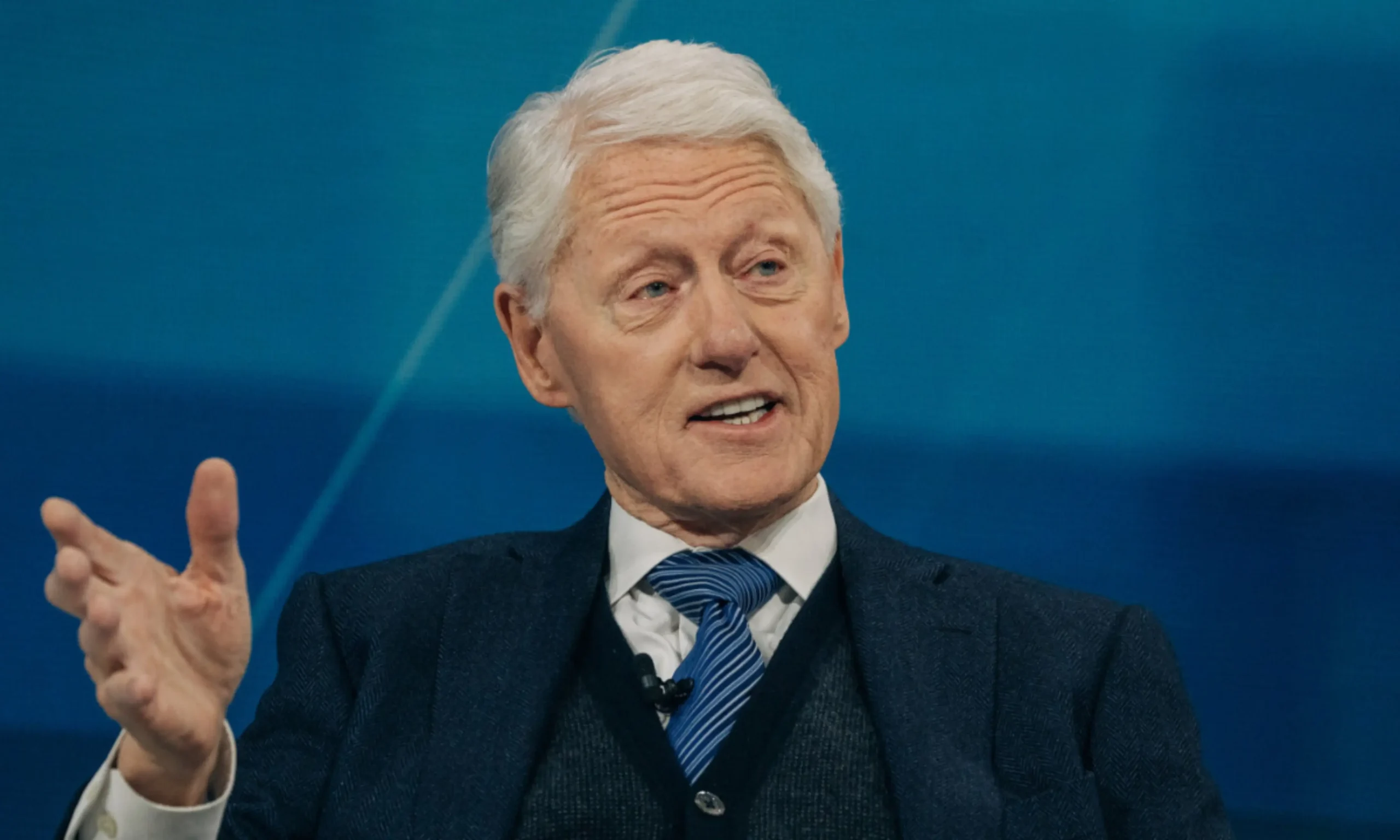
Born in 1946, Bill Clinton remains one of the most recognizable political figures in modern American history. Today, many readers search for information about Bill Clinton’s age, not only out of curiosity but also to understand his long-standing influence on American politics and global diplomacy.
As the 42nd President of the United States, Clinton played a major role in shaping 1990s economic growth, foreign policy, and domestic reforms. His life story reflects both political success and controversy, making him a compelling historical figure to study. This article explores his current age, biography, political career, and lasting legacy.
Beyond simple age facts, understanding Clinton’s life provides insight into how leadership evolves over time, net worth, and how former presidents continue influencing society long after leaving office. From his early upbringing to his post-presidential humanitarian work and financial success, Clinton’s journey offers a fascinating look at modern American political history and wealth accumulation among global political leaders.
Read More: what does convert mean
Early Life and Background
Bill Clinton was born in the small town of Hope, Arkansas, during the post–World War II baby boom era. He grew up in a modest household and experienced financial and family challenges during his childhood. His father died in a car accident before he was born, leaving him to be raised primarily by his mother and extended family members. Despite these hardships, he showed strong academic promise from an early age. Education played a major role in shaping his future career path.
During his school years, Clinton was known for his leadership qualities and strong interest in public service. He excelled academically and participated in student organizations and debate activities, which helped develop his political communication skills. His early exposure to civic responsibility inspired his later decision to pursue law and politics. Clinton eventually attended Georgetown University, where he studied international affairs and began forming the political connections that would later support his career. His early life experiences helped shape his political philosophy and commitment to public service, which became defining themes throughout his career.
Education and Early Political Career
After completing his early schooling in Arkansas, Clinton pursued higher education with a strong focus on public service and law. He attended Georgetown University, where he majored in international affairs. During his time in college, he became deeply interested in global politics, foreign policy, and civic leadership. He also worked as an intern for political organizations, which helped him gain real-world experience in government operations and public administration.
After graduating, he earned a prestigious Rhodes Scholarship to study at Oxford University. Although his time in the United Kingdom was relatively short, it expanded his perspective on international relations and political systems outside the United States. He later attended Yale Law School, where he met influential mentors and future political allies. His legal education strengthened his understanding of constitutional law and policy-making.
Following law school, he returned to Arkansas and began teaching law while slowly entering state politics. These formative years helped prepare him for his later rise in national politics and shaped his long-term political strategy and leadership style.
Rise to Political Prominence and Governorship
Bill Clinton’s entry into higher-level politics began in his home state of Arkansas, where he quickly built a reputation as a reform-minded and policy-focused leader. His political career accelerated when he was elected as the Attorney General of Arkansas in 1976. In this role, he focused on consumer protection, government transparency, and improving public services for citizens. His performance in this office helped establish his credibility as a young and ambitious political leader.
In 1978, he successfully ran for Governor of Arkansas for the first time, becoming one of the youngest governors in the United States at the time. Although he lost his re-election bid in 1980, he returned to win the governorship again in 1982. During his tenure as governor, he focused heavily on education reform, economic development, and infrastructure improvement. He worked to modernize Arkansas’s public school system and attract business investment to the state.
These achievements helped raise his national profile and prepared him for future presidential ambitions. His time as governor is often viewed as the foundation of his national political reputation.
Presidency Years (1993 – 2001)
Bill Clinton was elected as the 42nd President of the United States in 1992 and served two full terms from 1993 to 2001. His presidency was marked by strong economic performance during the 1990s, often referred to as a period of technological growth and budget expansion in the United States. One of his administration’s key achievements was overseeing federal budget surpluses during the later years of his presidency, which was a significant shift from earlier deficit concerns.
During his time in office, Clinton focused heavily on domestic economic policy, job creation, and welfare reform. He signed major legislation aimed at balancing federal spending and supporting middle-class economic growth. His administration also worked on expanding international trade agreements, including supporting global economic partnerships.
However, his presidency was also marked by political controversy, particularly impeachment proceedings related to personal and legal matters. Despite these challenges, he remained popular with many voters due to economic success and foreign policy stability. His presidency continues to be widely studied as an example of 1990s American political and economic leadership.
Post-Presidency Life, Age, and Continuing Influence
After leaving the White House in 2001, Bill Clinton remained highly active in global humanitarian and political work. He founded the Clinton Foundation, which focuses on global health initiatives, climate change solutions, and economic development programs in underserved communities worldwide. His post-presidential career helped reshape how former U.S. presidents can continue influencing global policy outside of formal political office.
As Clinton has aged, public interest in his personal health, lifestyle, and longevity has increased. He is often compared with other long-lived political leaders in U.S. history. In addition to philanthropic work, he frequently participates in political campaign support, public speaking events, and international diplomacy efforts. His speaking engagements have made him one of the most recognized former political figures on the global lecture circuit.
Today, Clinton’s life represents a combination of political legacy building and humanitarian advocacy. His continued presence in global discussions shows how political influence can extend far beyond a presidential administration.
Legacy and Historical Impact
The historical legacy of Bill Clinton remains widely debated among historians and political analysts. His presidency is often associated with economic expansion during the 1990s, a period marked by technological innovation, globalization, and strong job growth in the United States. Many economic historians credit his administration with helping create federal budget surpluses, which became a significant benchmark for evaluating modern presidential fiscal policy.
From a diplomatic perspective, Clinton’s administration focused heavily on international cooperation after the Cold War era. His foreign policy initiatives supported global trade expansion and attempted to strengthen U.S. relationships with European and Asian allies. These efforts helped shape modern globalization policy trends in American politics.
However, Clinton’s legacy is also shaped by political controversy. The impeachment proceedings during his second term influenced public discussions about presidential accountability, media influence, and legal standards for political leadership. These events remain important case studies in constitutional law and political ethics.
In cultural terms, Clinton helped redefine modern political communication through media engagement and public relatability. He became known for his charismatic speaking style and ability to connect with diverse voter groups. Today, his influence continues through his post-presidential humanitarian efforts and global advocacy work.
Overall, Clinton’s historical impact reflects both political achievement and controversy, making him one of the most analyzed U.S. presidents in modern history. His career represents the complex nature of contemporary political leadership and public legacy building.
FAQs
How old is Bill Clinton today?
Bill Clinton was born in 1946, making him in his late 70s in 2026.
He remains active in public speaking and global humanitarian work.
What is Bill Clinton known for?
He is known for being the 42nd U.S. president and for 1990s economic growth policies.
His presidency also included major political controversies and impeachment proceedings.
What did Bill Clinton do after presidency?
He focused on philanthropy through the Clinton Foundation.
He also became a global speaker on politics, health, and economic development.
was Bill Clinton’s presidency successful?
Many credit his presidency for strong economic growth and budget surpluses.
However, his term also faced political and legal controversies.
What is Bill Clinton’s legacy in U.S. history?
His legacy includes economic reforms, global diplomacy, and political modernization.
Historians still debate his long-term political and cultural impact.
Conclusion
In conclusion, Bill Clinton remains one of the most influential political figures of the late 20th and early 21st centuries. From his early life in Arkansas to his rise as the 42nd President of the United States, Clinton’s journey reflects determination, political strategy, and adaptability in changing political climates. His presidency is often remembered for strong economic growth during the 1990s, international diplomacy efforts, and controversial political challenges that shaped public debate about leadership and accountability.
Beyond politics, Clinton’s post-presidential humanitarian and global advocacy work has helped maintain his public relevance. His life story demonstrates how political leaders can continue contributing to society long after leaving office. As people continue searching for information about his age and life achievements, Clinton’s legacy serves as an important example of modern American political history and leadership evolution. His story remains both educational and historically significant for future generations studying U.S. politics.

Roony is the creative mind behind Rizz Line Studio, where words meet style and attitude. With a passion for clever captions, trendy rizz lines, and social media magic, Roony crafts content that speaks directly to today’s generation. Whether it's humor, charm, or wit Roony always delivers the perfect line to match the vibe.