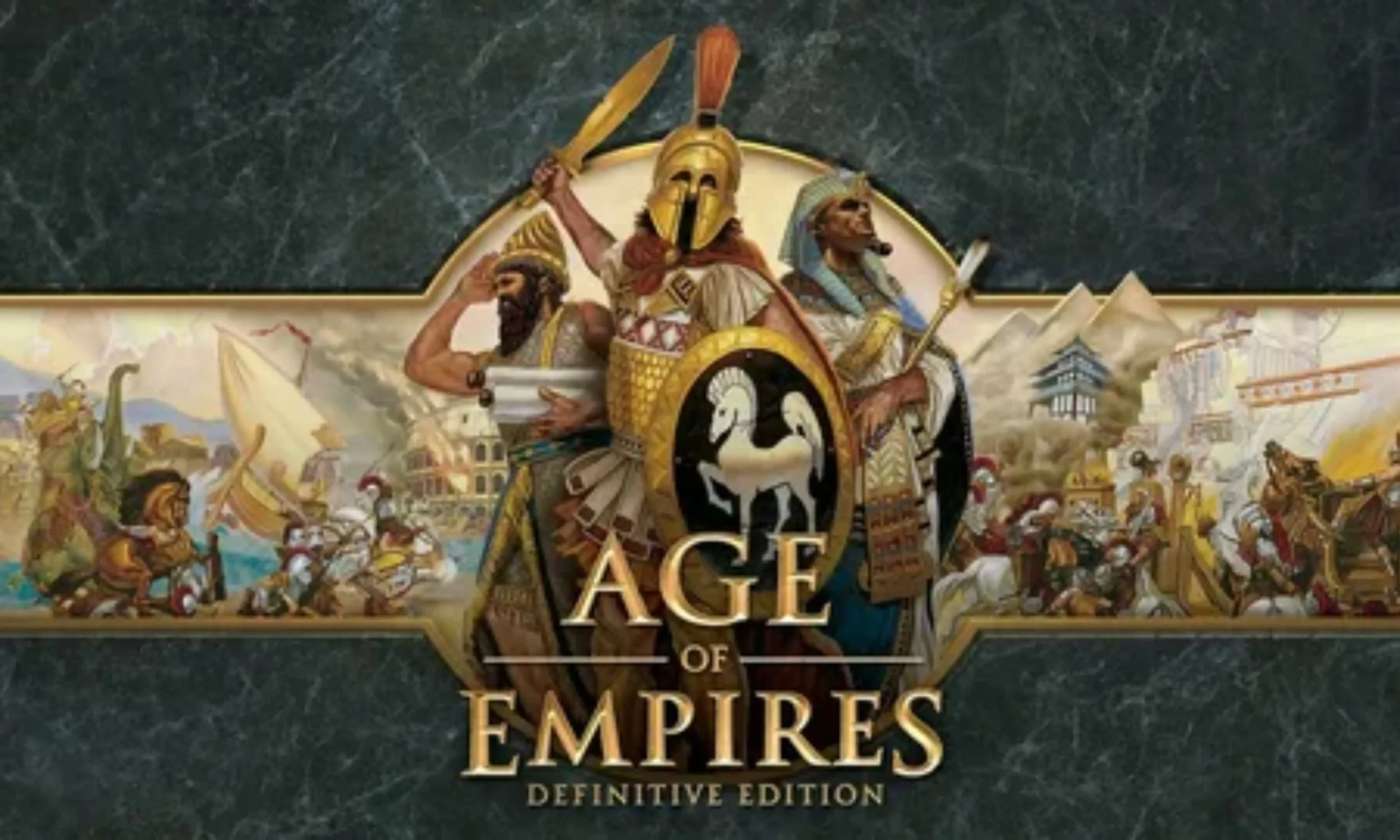
Few games have captured the imagination of strategy enthusiasts and history buffs like Age of Empires. Since its debut in 1997, this iconic real-time strategy (RTS) series has transported players across centuries, from the rise of ancient civilizations to epic medieval battles and beyond.
Its unique blend of resource management, tactical warfare, and historical storytelling has not only entertained millions but also introduced players to the fascinating tapestry of human history. Over the years, each edition, from the classic Age of Empires II to the modern Age of Empires IV, has evolved, offering richer graphics, smarter AI, and deeper strategic complexity.
Whether you’re a veteran commander reliving nostalgic campaigns or a newcomer eager to conquer new lands, Age of Empires remains a timeless experience. In this article, we’ll explore its history, gameplay mechanics, cultural impact, and lasting legacy in the world of gaming.
The History of Age of Empires
The Age of Empires franchise began in 1997, developed by Ensemble Studios and published by Microsoft. At a time when real-time strategy games were rapidly evolving, Age of Empires stood out by combining deep strategic gameplay with a strong historical foundation. Instead of focusing on science fiction or fantasy, the game invited players to guide real civilizations through distinct historical eras, emphasizing economic growth, technological advancement, and military conquest.
The original Age of Empires focused on ancient civilizations, laying the groundwork for the series’ core mechanics. However, it was Age of Empires II: The Age of Kings (1999) that truly defined the franchise. Set in the medieval period, it introduced richer campaigns, more diverse civilizations, and improved balance, earning legendary status among RTS fans. Even decades later, it remains one of the most played and celebrated strategy games of all time.
In 2005, Age of Empires III shifted the timeline to the colonial era, introducing new mechanics such as Home Cities and shipment cards. While it divided some longtime fans, it demonstrated the series’ willingness to innovate. After a long hiatus, Age of Empires IV launched in 2021, modernizing the franchise with updated visuals, refined gameplay, and documentary-style campaigns that reinforced its educational appeal.
Alongside these releases, Definitive Editions revitalized earlier titles with enhanced graphics, quality-of-life improvements, and active multiplayer support. Together, these updates ensured that Age of Empires not only survived but thrived across generations, solidifying its place as a cornerstone of strategy gaming history.
Gameplay Mechanics
At its core, Age of Empires is built around a carefully balanced loop of economy, technology, and warfare. Players begin with a small settlement and must gather essential resources—food, wood, gold, and stone—to expand their civilization. Every decision matters: allocating villagers efficiently, choosing when to advance to the next age, and deciding whether to invest in economic growth or military strength can determine victory or defeat.
One of the defining mechanics of the series is its age progression system. Advancing through historical ages unlocks new technologies, buildings, and military units, reflecting the evolution of real civilizations over time. This progression encourages long-term planning and strategic foresight rather than short-term aggression alone.
Each civilization in Age of Empires offers unique units, bonuses, and technology trees, ensuring varied gameplay and replayability. Some civilizations excel in economic development, while others dominate through military power or defensive strategies. This diversity makes learning counters, unit compositions, and map control essential skills, especially in multiplayer matches.
The game also balances single-player and multiplayer experiences. Campaigns provide structured storytelling and historical context, while skirmish and online modes emphasize adaptability and competitive strategy. Together, these mechanics create a deep and rewarding RTS experience that continues to challenge and engage players of all skill levels.
Historical Accuracy and Educational Value
One of the most remarkable aspects of Age of Empires is its ability to blend entertainment with education. Each game meticulously incorporates real civilizations, historical leaders, and iconic battles, offering players an engaging way to explore the past. From the Egyptians and Greeks in the earliest editions to the Mongols and English in later titles, players are introduced to diverse cultures and the unique strategies they employed throughout history.
While the games take creative liberties for gameplay balance, the campaigns often mirror real-world events and timelines. For example, Age of Empires II’s Joan of Arc and Genghis Khan campaigns teach players about critical historical moments while providing a fun strategic challenge. Similarly, Age of Empires IV integrates documentary-style storytelling, blending narrated history with gameplay sequences to enrich the player’s understanding of medieval civilizations.
Beyond storytelling, the series encourages critical thinking and problem-solving. Managing resources, planning attacks, and adapting strategies cultivate skills that mirror real-world decision-making, making Age of Empires not just a game, but a unique educational tool.
Community, Mods, and Competitive Scene
Age of Empires has thrived not only because of its gameplay but also due to its vibrant and dedicated community. From casual players to competitive strategists, fans have kept the series alive for decades, creating a rich ecosystem around the games. Online multiplayer platforms allow players to challenge friends or strangers worldwide, fostering a competitive yet social environment that continues to grow even years after each release.
The modding community adds another layer of longevity. Fans create custom civilizations, campaigns, maps, and even total conversion mods, allowing the game to evolve far beyond its original design. These mods keep gameplay fresh and attract new audiences, ensuring the series’ relevance in an ever-changing gaming landscape.
On the professional side, Age of Empires has an esports presence with tournaments, live streams, and competitive leagues. Skilled players showcase advanced strategies, from micro-managing units to executing complex rushes, inspiring both newcomers and veterans alike. Together, the community, mods, and competitive scene ensure that Age of Empires remains more than just a game—it’s a living, evolving phenomenon.
Cultural Impact and Legacy
Age of Empires is more than just a game—it’s a cultural touchstone that has shaped generations of gamers and influenced the real-time strategy (RTS) genre. Its unique blend of history and strategy has inspired countless other titles, from modern RTS games to mobile strategy adaptations, setting a standard for depth, balance, and historical storytelling.
The series also resonates with players on a nostalgic level. Many remember spending hours building empires, executing military strategies, and reliving historic campaigns, creating lasting memories that transcend the screen. This nostalgia has helped maintain a loyal fanbase, keeping older editions relevant even decades after their release.
Beyond gaming, Age of Empires has educational influence, introducing players to historical figures, events, and civilizations. Its campaigns and documentary-style storytelling foster curiosity about world history, blending learning with entertainment seamlessly.
Ultimately, the franchise’s enduring popularity, innovative mechanics, and cultural significance cement Age of Empires as a timeless classic in gaming history.
Tips, Strategies, and Fan Insights
Whether you’re a newcomer or a seasoned commander, Age of Empires rewards careful planning, adaptability, and strategic thinking. For beginners, focusing on economy management is key: gather resources efficiently, balance villagers between food, wood, gold, and stone, and avoid overbuilding early military units. Advancing through the ages at the right moment can provide a decisive advantage, unlocking new technologies and units to strengthen your civilization.
For more advanced players, mastering unit composition and counter-strategies is essential. Knowing which units excel against others, controlling key map areas, and timing attacks can turn the tide of a match. Experienced players also benefit from scouting—revealing enemy positions early allows for preemptive defenses or ambushes.
The community offers a wealth of insights, from custom mods that refresh gameplay to fan-created guides and tutorials. By studying campaigns, observing professional matches, and experimenting with strategies, players can continuously improve and enjoy the game in new ways.
Age of Empires thrives on creativity, strategy, and adaptation, making each match a unique and rewarding experience.
FAQs
What is Age of Empires?
Age of Empires is a real-time strategy (RTS) game series where players build civilizations, manage resources, and engage in historical battles across different eras.
Which Age of Empires game is the most popular?
Age of Empires II: The Age of Kings is widely regarded as the most popular and influential title in the series, thanks to its engaging campaigns and balanced gameplay.
Can I play Age of Empires online with friends?
Yes, all modern editions support multiplayer, allowing you to challenge friends or other players globally through online platforms.
Are Age of Empires games historically accurate?
While the series takes creative liberties for gameplay, it incorporates real civilizations, leaders, and events, offering both entertainment and educational value.
What are some useful strategies for beginners?
Focus on efficient resource gathering, balanced unit composition, and advancing through the ages at the right time. Scouting and map control are also key skills to master.
Can I mod Age of Empires?
Absolutely. The modding community creates custom campaigns, civilizations, maps, and units, enhancing gameplay and replayability.
Is Age of Empires still relevant today?
Yes. With updated Definitive Editions, active multiplayer communities, esports tournaments, and rich modding support, the series continues to thrive.
Conclusion
Age of Empires is more than just a game—it’s a timeless journey through history, strategy, and human ingenuity. From its early days in 1997 to the modern innovations of Age of Empires IV, the series has consistently delivered deep gameplay, engaging campaigns, and a unique blend of entertainment and education. Its carefully crafted civilizations, strategic mechanics, and historical storytelling have influenced generations of gamers, leaving a legacy that extends far beyond the screen.
The franchise’s enduring popularity owes much to its passionate community, competitive scene, and modding culture, which continue to expand the game’s possibilities and relevance. Whether you’re a veteran reliving nostalgic campaigns or a newcomer eager to build your first empire, Age of Empires offers challenges, lessons, and excitement for every player.
In the world of strategy gaming, few titles have left such an indelible mark—Age of Empires isn’t just played, it’s experienced.

Roony is the creative mind behind Rizz Line Studio, where words meet style and attitude. With a passion for clever captions, trendy rizz lines, and social media magic, Roony crafts content that speaks directly to today’s generation. Whether it's humor, charm, or wit Roony always delivers the perfect line to match the vibe.
