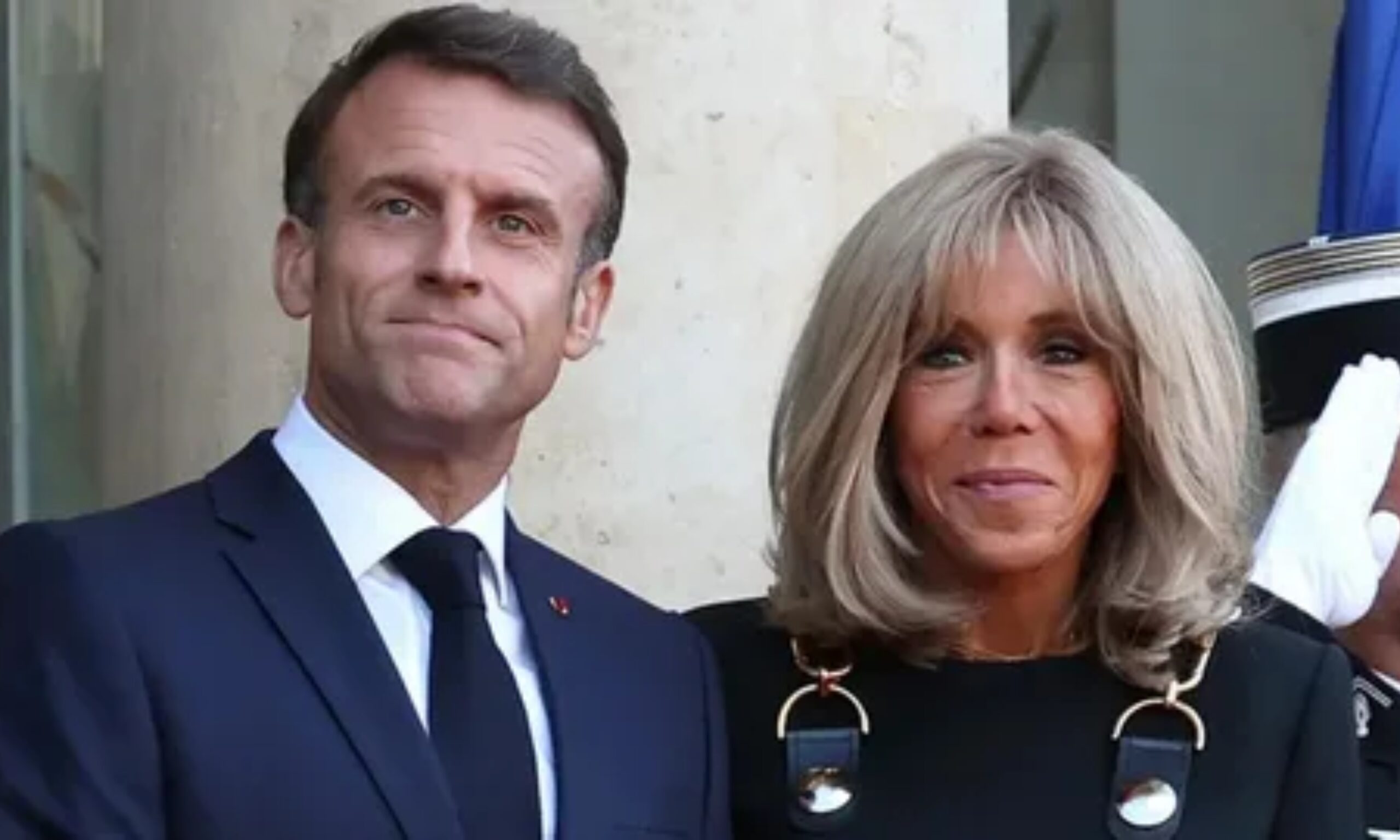
Brigitte Macron has become one of the most talked‑about First Ladies in the world, not only because of her role beside French President Emmanuel Macron, but also because of her unique life story, personality, and public presence.
People search for “Macron wife” to learn who she is beyond the headlines: her background, age difference with Emmanuel Macron, career as a teacher, and how she became such an influential figure in French and global politics. From her distinctive style to her supportive role during campaigns, she attracts curiosity, admiration, and sometimes controversy—making her a truly fascinating public personality.
In this article, we’ll explore her biography, love story, public image, family, career, and the myths and facts surrounding her. Whether you’re interested in politics, celebrity life, or simply curious about the woman behind France’s President, this guide will give you a clear, complete, and engaging overview of Brigitte Macron.
Read More: what does surplus mean
Early Life and Background of Brigitte Macron
Brigitte Macron, born Brigitte Trogneux, grew up in Amiens, France, in a well‑known family of chocolatiers. She had a comfortable yet grounded upbringing, surrounded by business, culture, and strong family values. From an early age, she developed a love for literature, theatre, and communication, passions that later shaped both her career and personality.
Before becoming widely recognized as the wife of Emmanuel Macron, she built an identity of her own as a dedicated teacher. Her background in education, intellectual curiosity, and confident presence helped shape the public figure people know today. Understanding her early life gives deeper insight into how she became such an influential and talked‑about personality on the French and global stage.
Early Life and Background of Brigitte Macron
Brigitte Macron, born Brigitte Trogneux on April 13, 1953, in Amiens, France, grew up in a well‑known family of chocolatiers. Her childhood was rooted in creativity, literature, and strong family traditions. Before becoming a public figure, she built a respected career as a teacher of French and theater, known for her dynamic personality and ability to connect with students.
Her early life was marked by a love of education, arts, and culture — qualities that later shaped her role as France’s First Lady. Long before global attention found her, Brigitte was a dedicated educator, mother of three children, and someone who valued privacy and normal life. This grounded background helps explain her calm, confident presence on the world stage today.
Public role as France’s First Lady
As the spouse of President Emmanuel Macron, Brigitte Macron has taken on a visible public role in France and internationally. Although the title “First Lady” is informal in France, she is often seen supporting cultural, educational, and charitable initiatives. Her presence at official visits, state dinners, and public events highlights her function as a partner in diplomacy and a bridge between the presidency and the public.
Brigitte is particularly associated with work connected to education, children, and inclusion. Drawing from her long teaching career, she has shown sustained interest in literacy, learning difficulties, and creating opportunities for young people. Beyond formal events, her public image blends elegance with approachability, which attracts both admiration and debate, as is common with high‑profile public figures.
Importantly, her role is not governmental; she does not hold elected office or exercise political power. Instead, she operates in the social and cultural sphere surrounding the presidency, representing France alongside her husband and supporting causes she cares about.
Brigitte Macron’s Role as France’s First Lady
Since Emmanuel Macron became President of France, Brigitte Macron has taken on an active and visible role as First Lady. She focuses strongly on education, disability inclusion, anti‑bullying campaigns, and intergenerational connection. Instead of remaining purely ceremonial, she frequently visits schools, hospitals, and cultural institutions, engaging directly with citizens.
Brigitte is also known for her presence on the international stage during state visits, representing France with poise and a warm, approachable style. While France does not officially define the position of First Lady, her influence is felt in social initiatives, public appearances, and charitable support. Her work highlights themes she has valued throughout her life as a teacher: confidence, respect, and opportunity for young people.
Role as France’s First Lady: causes, projects, and public initiatives
As France’s First Lady, Brigitte Macron has taken on an active but carefully defined role focused on education, disability inclusion, and anti‑bullying efforts. Drawing from her background as a teacher, she has championed programs that support students who struggle in school, emphasizing confidence building, communication skills, and equal access to learning opportunities. She is also widely associated with campaigns that raise awareness about autism, disability rights, and challenges faced by neurodivergent children and their families.
Beyond education, she frequently participates in cultural, charitable, and hospital‑visiting engagements, representing France at events alongside the president while maintaining her own identity and voice. Although she holds no official government position, her influence is often seen through advocacy, meetings with organizations, and support for social causes rather than direct political action. Her style of public service remains people‑focused and relational, shaped by years of working closely with students and parents, and it continues to define how many perceive her role on the national and international stage.
Public Image and Media Coverage
Brigitte Macron’s public image has been shaped not only by her unique personal story but also by the intense media spotlight that followed Emmanuel Macron’s rise to the presidency. International outlets often focus on the couple’s age gap, her fashion choices, and her confident presence alongside the president.
Within France, she is frequently portrayed as warm, approachable, and intellectually engaged, with a background as a literature teacher who values education and culture. At the same time, constant coverage has sometimes crossed into scrutiny of her private life, prompting conversations about boundaries for political spouses. Despite this, she has maintained a poised and active public role, supporting causes she cares about while keeping a grounded, understated demeanor.
Public image and role as France’s First Lady
Brigitte Macron has become one of the most recognizable public figures in France, not only because of her relationship with Emmanuel Macron but also due to her active presence in cultural and social life. As First Lady, she is often seen at official events, educational institutions, charitable initiatives, and international visits, where her approachable and warm demeanor attracts attention. She is widely noted for her interest in education, disability inclusion, and youth‑focused programs, areas she has spoken about frequently in interviews and public appearances.
Her style, confidence, and outspoken personality have also made her a frequent subject of media discussion and public commentary. Supporters appreciate her elegance, sense of humor, and genuine interactions with people, while critics often focus on her visibility and personal life. Despite the spotlight, she continues to maintain a busy schedule and a strong public presence, shaping the informal yet influential role of First Lady in modern French politics.
Public Image, Media Attention, and Controversies
Brigitte Macron has attracted significant global media attention, not only as France’s First Lady but also because of her unique love story and age difference with Emmanuel Macron. Tabloids often focus on her fashion choices, personality, and public appearances, sometimes overshadowing her professional background as an educator.
While admired by many for her elegance and confidence, she has also faced criticism, online rumors, and misinformation. Despite this, she maintains a poised and calm public image, choosing to focus on advocacy work rather than responding to every headline. Her visibility in international events, meetings with world leaders, and cultural engagements has made her a recognizable and influential figure, contributing to debates about modern womanhood, age norms, and political spouses.
Media coverage and public perception
Brigitte Macron has attracted global media attention not only as the spouse of France’s president but also as a modern public figure in her own right. Coverage often highlights her confidence, fashion sense, and active participation in social causes, especially in the areas of education and anti‑bullying advocacy. Public perception has been a blend of admiration and intense scrutiny, a reality familiar to most people in high‑profile political roles.
Much discussion has focused on how she has redefined the image of a president’s spouse: visible, articulate, and engaged in cultural life. At the same time, tabloids sometimes focus more on personal aspects than on her initiatives, which has sparked conversations about media bias and the treatment of women in public life.
Overall, she is commonly viewed as poised, supportive, and influential—someone who plays an important role behind the scenes while maintaining her own identity and causes.
Public Role and First Lady Duties
As France’s First Lady, Brigitte Macron quickly became a highly visible public figure, balancing tradition with a modern approach. She accompanies Emmanuel Macron at official ceremonies, international visits, and cultural events, often acting as a bridge between the public and the presidency.
Beyond appearances, she has focused her time on social causes such as education, disability awareness, anti-bullying efforts, and intergenerational connection. Her background as a teacher strongly influences this work, and she is known for engaging directly with students, teachers, and families during visits.
Brigitte also plays an informal advisory role, offering perspective and feedback while remaining outside formal political power. Her style, warmth, and accessibility have contributed to her distinct public image, earning both admiration and criticism typical for public figures. Overall, her First Lady role blends advocacy, cultural representation, and personal engagement, making her one of the most recognizable personalities in French public life.
Public role and influence of Brigitte Macron
Brigitte Macron has developed a distinct public role built around education, culture, and social connection. Drawing on her background as a teacher, she has often highlighted the value of learning, confidence, and communication among young people. Her public appearances typically focus on schools, inclusion projects, support for people with disabilities, and cultural initiatives, helping bring attention to topics that might otherwise receive less visibility.
Known for a warm and approachable style, she has become a recognizable figure at official events in France and abroad, often emphasizing civility, respect, and openness in public life. Beyond protocol, her influence is closely linked to her ability to connect with individuals and represent a modern image of engagement, conversation, and advocacy.
While she keeps parts of her private life discreet, her public work reflects long‑standing interests in literature, theater, and youth empowerment, shaping how many people understand her contribution in the national and international spotlight.
Public Image and Media Portrayal of Brigitte Macron
Brigitte Macron has become a recognizable public figure whose style, confidence, and active presence frequently attract media attention. Known for her elegant fashion sense and poised demeanor, she is often highlighted in magazines, interviews, and public appearances as a modern and influential First Lady. Media portrayals commonly focus on her supportive role alongside Emmanuel Macron, her background as an educator, and her ability to engage comfortably on national and international stages.
While public attention sometimes centers on her age difference with the French president, Brigitte has consistently emphasized substance over spectacle, focusing on education, inclusion, and cultural initiatives. Her media image reflects both admiration and scrutiny, but she remains authentic, maintaining her own identity while navigating public life with grace and resilience.
Public Perception and Media Attention
Brigitte Macron has been a frequent subject of media attention, not just because of her marriage to Emmanuel Macron but also due to her distinctive personality and style. She is often described as confident, elegant, and refreshingly direct in interviews. Public perception of her varies: many admire her for breaking stereotypes about age and relationships, while others focus more on the controversy surrounding the couple’s age difference.
Despite the scrutiny, she continues to appear calm and composed in public, supporting her husband’s political career while also maintaining her own identity. She has become a recognizable figure in France and worldwide, symbolizing both modernity and resilience in public life.
Public Image and Media Portrayal
Brigitte Macron’s public image has always drawn strong attention, not just because she is the wife of Emmanuel Macron, but because she stands out as a confident, modern, and highly visible First Lady. Media around the world often focus on her fashion sense, her elegance, and her supportive presence beside the French President during official events.
At the same time, she is portrayed as warm, approachable, and deeply engaged in social causes, particularly education and youth issues. While there has also been curiosity and debate about her personal life and age difference with Emmanuel Macron, she generally handles the spotlight with grace and humor. Her visibility has made her a recognizable figure well beyond France.
Public perception, media myths, and common misconceptions
Brigitte Macron has been at the center of intense media attention ever since Emmanuel Macron became a national political figure. Much of this coverage focuses not only on her role as First Lady, but also on their age‑gap relationship, which has sparked fascination, admiration, criticism, and unfortunately, internet rumors.
A recurring misconception is that their relationship is somehow unusual or inauthentic simply because of the age difference. In reality, both Brigitte and Emmanuel Macron have consistently emphasized that their bond is based on deep companionship, shared outlooks, and mutual respect. Another myth amplified by tabloids is that she influences every political decision he makes; while she is undoubtedly a close confidante, France does not assign executive power to the spouse of the president.
Brigitte Macron is also frequently portrayed as a style icon, and while this is true, focusing only on fashion can overshadow her work in education, disability advocacy, and anti‑bullying initiatives. Understanding the distinction between media narratives and documented facts helps create a clearer and fairer picture of who she is beyond headlines.
Public Image and Media Attention
Brigitte Macron has received intense media attention ever since Emmanuel Macron emerged on the national political stage. Her style, confidence, and visible presence beside the French president have made her a frequent topic in magazines, interviews, and social media discussions. While some coverage focuses on her age difference with Emmanuel Macron, much of it also highlights her role as a modern First Lady who is active, outspoken, and comfortable in the public eye.
She is often praised for her fashion sense, warm personality, and ability to connect with people during public visits. At the same time, the spotlight has also meant criticism and rumors, all of which she has handled with notable composure.
Age gap between Emmanuel Macron and Brigitte Macron
One of the most discussed aspects of Emmanuel and Brigitte Macron’s relationship is their age gap. Brigitte is 24 years older than Emmanuel, and their story has often attracted global attention because it challenges many traditional expectations about couples in public life.
While the age difference has sparked curiosity, debates, and even criticism, both have consistently emphasized that their bond is built on mutual respect, shared interests, and deep emotional connection. Over the years, they have openly addressed comments about their age gap, often responding with humor and grace, turning scrutiny into strength.
Rather than defining their relationship, the age difference has highlighted their individuality and the unconventional nature of their journey together. Today, it stands as a reminder that personal relationships do not fit into a single societal mold and that public figures, too, navigate very human experiences like love, judgment, and resilience.
How Emmanuel Macron and Brigitte Macron Met & Their Love Story
Emmanuel Macron and Brigitte Trogneux first met in the early 1990s when he was a 15‑year‑old student and she was his drama teacher at a private Jesuit school in Amiens. Their connection formed over literature and theater, two passions they both shared. At that time, Brigitte was married with children, and their friendship grew slowly as they bonded over plays, debates, and creative discussions.
As Emmanuel matured, their relationship deepened. After years of friendship and careful consideration, the pair eventually pursued a romantic relationship once Macron was an adult. They married in 2007 in a private ceremony surrounded by close family and friends. Their story — rooted in intellectual connection and mutual respect, quickly became one of the most discussed personal narratives in modern political life.
Despite public curiosity and occasional criticism, their enduring partnership has often been described by both of them as based on shared values, emotional support, and a deep understanding of each other’s worlds.
Legacy, Influence, and Public Perception of Brigitte Macron
Brigitte Macron’s legacy is shaped not only by her role as France’s First Lady but also by the conversations she has sparked about age, individuality, and modern partnerships. She is often seen as a symbol of confidence and authenticity, inspiring many people who value emotional compatibility over social expectations. Her visibility in education, anti‑bullying advocacy, and cultural initiatives has helped define her image as more than just the president’s spouse.
Public perception of Brigitte Macron varies, but she undeniably remains one of the most discussed first ladies in recent French history. To some, she represents elegance, strength, and support; to others, she challenges conventional norms about relationships and age. Regardless of opinion, her story has encouraged wider conversations about love, personal choice, and redefining what a political partner can look like in the modern world.
Brigitte Macron’s Role as France’s First Lady
As First Lady of France, Brigitte Macron has taken on a highly visible but unofficial role, focusing largely on social issues, education, and inclusion. She is known for spending time in schools, hospitals, and community centers, often highlighting challenges faced by young people, students with disabilities, and those at risk of social isolation. Rather than being purely ceremonial, her activities frequently center on listening, advocating, and raising awareness.
Brigitte also represents France alongside Emmanuel Macron at national ceremonies, international visits, and cultural events, where her poise and communication skills make her a notable public presence. While the position of First Lady in France does not carry formal constitutional powers, her influence is reflected through projects she supports and causes she brings attention to.
Her approach blends warmth, accessibility, and a background in education, helping shape how the First Lady’s role is perceived in modern French public life.
Public image and media attention
Brigitte Macron has long been a prominent figure in French and international media, attracting attention not only as France’s First Lady but also as a charismatic personality in her own right. Her confident presence, warm interactions in public, and distinctive fashion sense often place her at the center of headlines and features.
Media coverage frequently highlights her support for education, culture, and anti‑bullying initiatives, as well as her role beside Emmanuel Macron during state visits and official events. While public interest sometimes focuses on her personal story and age difference with the President, she is also widely recognized for maintaining composure, wit, and an approachable demeanor.
Over time, this combination of visibility and grace has shaped her image as a modern First Lady who balances tradition with independence, contributing to ongoing conversations about public roles, partnership, and representation.
Public image and media portrayal of Brigitte Macron
Brigitte Macron’s presence in the public eye has always sparked curiosity, commentary, and conversation. As First Lady of France, she is frequently highlighted for her elegant style, confident personality, and active participation in cultural and social initiatives. Media outlets often focus on her fashion choices, her supportive role beside President Emmanuel Macron, and her ability to connect warmly with people during public appearances.
At the same time, coverage has also explored the challenges of constant attention and the scrutiny that comes with being a prominent political spouse. Overall, her media portrayal blends admiration, debate, and fascination, reflecting how she has become a recognizable and influential figure far beyond France.
Role and influence as France’s First Lady
As First Lady of France, Brigitte Macron has become a highly visible figure in public life, balancing protocol with personality. Known for her warm approachability and confident presence, she often accompanies Emmanuel Macron at major national and international events while also crafting her own identity beyond ceremonial appearances. Brigitte is particularly associated with initiatives connected to education, inclusion, culture, and intergenerational dialogue, reflecting her long career as a teacher and mentor.
Her influence is most clearly felt in causes that resonate with her background: supporting young people, encouraging reading and the arts, and advocating respectful conversation around sensitive social issues. At the same time, she has navigated intense media attention with composure, turning scrutiny into a platform for positivity and civic engagement. Whether visiting schools, meeting cultural leaders, or welcoming guests to the Élysée, Brigitte Macron’s role blends tradition with modern visibility, helping shape how the position of First Lady is perceived in contemporary France.
Personal interests and life beyond politics
Beyond official duties, Brigitte Macron is known for maintaining a grounded personal life that reflects her long‑standing passions. She has a deep love for literature, theater, and the arts, shaped by years spent teaching French and drama. Friends and colleagues often describe her as energetic, curious, and genuinely engaged in conversations, whether about culture, education, or everyday life.
Despite living in the spotlight, she values time with family and close friends, finding balance between public responsibilities and private moments. Her appreciation for fashion, design, and travel also contributes to her distinctive public image, but at the core, she remains closely connected to the educator she once was. This blend of personal warmth and cultural interest helps explain why she resonates with so many people in France and around the world.
Public perception and media coverage
Public perception of Brigitte Macron has always been strongly shaped by media attention. From the beginning of Emmanuel Macron’s political rise, her age difference with the President drew intense headlines, commentary, and speculation. Over time, however, many people have come to view her story as one of loyalty, partnership, and mutual respect, focusing less on controversy and more on the strength of their long‑standing relationship.
French and international media frequently highlight her fashion sense, confidence, and active presence at public events. At the same time, she has faced rumors and online misinformation, which she has addressed with calm firmness. Overall, coverage of Brigitte Macron reflects both the pressures faced by visible public figures and the admiration she receives for remaining authentic, supportive, and engaged despite constant scrutiny.
Philanthropy and causes she supports
Brigitte Macron has increasingly used her role to support social causes that matter deeply to her. One of her major focuses is education, especially helping children and young adults who struggle in traditional school systems. She has been actively involved in initiatives that promote inclusion, combat bullying, and improve opportunities for students with disabilities.
She also supports campaigns against cyberbullying and school harassment, recognizing how deeply these issues affect today’s youth. In addition, Brigitte has shown interest in healthcare and charity events, lending her visibility to raise awareness and funds. While she does not seek the spotlight for her humanitarian work, her actions reflect a sincere commitment to helping vulnerable communities and using her platform for positive change.
Public Image and Role as France’s First Lady
Brigitte Macron’s public image has evolved from curiosity to confidence. As First Lady of France, she is known for her elegance, warm personality, and highly active involvement in social causes. Rather than staying in the background, she frequently appears at public events, school visits, charity functions, and international meetings, openly engaging with people.
Her role is unofficial but influential. She focuses strongly on education, inclusion, disability awareness, and anti-bullying campaigns. Many admire her modern style and approachable demeanor, while others debate the visibility and influence of a First Lady in politics. Regardless of opinion, she has become one of the most recognizable public figures in France, shaping conversations about age, partnership, and women’s roles in public life.
Net worth, lifestyle, and public image of Brigitte Macron
Brigitte Macron’s lifestyle blends public duty with personal simplicity. While often associated with elegant fashion and presidential events, she is also known for maintaining close ties with family and friends and enjoying a relatively private daily life when outside the spotlight. Discussions about her net worth usually connect to her career in education and her marriage to Emmanuel Macron, but she is not a celebrity focused on luxury displays. Her public image is shaped more by her confidence, age‑gap marriage, and active role in social causes than by wealth.
Her visibility has also sparked debates about fashion, aging, and women in power, with Brigitte becoming a symbol of independence for many supporters. At the same time, critics sometimes focus heavily on her personal life; however, she continues to carry herself with composure and humor, reinforcing her strong public persona.
Brigitte Macron’s Role in International Diplomacy
Beyond France, Brigitte Macron is a recognizable figure on the global stage. As First Lady, she often accompanies President Emmanuel Macron on state visits and international summits, where her presence supports cultural and humanitarian diplomacy. She is known for warm interpersonal communication, helping create a friendly atmosphere during meetings with other world leaders and their spouses.
Her involvement usually focuses on education, disability inclusion, health awareness, and youth empowerment, areas she consistently highlights in her public engagements. Brigitte Macron frequently visits schools, hospitals, and cultural institutions abroad, reinforcing France’s soft‑power image through empathy and connection rather than politics.
While she does not hold an official government position, her diplomatic role is symbolic yet meaningful. She contributes to France’s international image by participating in ceremonies, charity events, and cultural exchanges.
In essence, Brigitte Macron’s diplomacy emphasizes people‑to‑people connection, cultural understanding, and advocacy for social causes, complementing the formal work carried out by the French government.
Public Image and Media Perception of Brigitte Macron
Brigitte Macron has become one of the most recognizable public figures in France, not only because she is the First Lady, but also due to her confident personality, fashion sense, and active public presence. Media coverage has focused heavily on her unique love story with Emmanuel Macron, her age difference with the president, as well as her influential role in education and social causes. Over time, she has shaped a public image that blends elegance, warmth, and approachability, often being described as a modern and supportive partner in politics.
Her fashion choices frequently make headlines, with international magazines highlighting her style as chic and distinctly French. At the same time, she is often seen engaging directly with citizens, students, and charity organizations, reinforcing the perception of her as hands‑on and involved rather than distant or purely ceremonial.
Charitable Work and Social Causes Supported by Brigitte Macron
Brigitte Macron has consistently used her public platform to support causes related to education, disability inclusion, and child welfare. Drawing from her long career as a teacher, she often advocates for students who struggle academically or socially, emphasizing the importance of confidence, creativity, and personalized learning. She has worked with associations supporting children with autism and individuals with disabilities, helping raise visibility for inclusive education and support services.
Her involvement also extends to anti‑bullying campaigns and hospital visits, where she meets families, patients, and caregivers to highlight everyday challenges that rarely reach the political spotlight. Brigitte Macron frequently participates in charity galas, cultural events, and awareness campaigns, lending her voice to projects focused on health, social integration, and equal opportunities.
Through these commitments, she has shaped a role centered on compassion and public service. Rather than focusing on policy debates, her contributions emphasize human connection and encouragement for vulnerable communities, reinforcing her image as an engaged and socially conscious First Lady.
Public Life and Duties as France’s First Lady
As France’s First Lady, Brigitte Macron has shaped a modern, visible role that blends tradition with contemporary influence. She is often seen supporting national events, cultural programs, and charitable causes, particularly those focused on education, disabilities, and anti‑bullying initiatives. Brigitte spends significant time visiting schools, speaking with students and teachers, and advocating for inclusive learning environments.
Beyond formal ceremonies, she plays an important soft‑diplomacy role. Whether welcoming world leaders or accompanying the president on international trips, her presence contributes to France’s public image. She is known for her approachable style—engaging directly with people, initiating conversations, and bringing warmth to official engagements.
Her activities are not merely symbolic; she participates in meetings, foundations, and social projects that reflect her lifelong dedication to teaching and mentorship. While the position has no official constitutional status, Brigitte Macron has defined it through active involvement, visibility, and social commitment, creating a recognizable public identity in French political life.
Public Image, Style, and Media Presence
Brigitte Macron’s public image has become a global talking point, shaped by her confidence, warmth, and distinctive sense of style. Often seen supporting cultural events, charities, and education initiatives, she projects an approachable yet elegant persona that resonates with many people in France and abroad. Her fashion choices — typically refined, modern, and minimalist — have drawn attention from international media, making her a style reference among contemporary First Ladies.
Beyond appearances, her interviews and public interactions highlight her humor and empathy, contributing to a perception of authenticity. Supporters appreciate her visibility and openness, while critics sometimes question the intense media focus surrounding her. Still, her ability to remain composed under scrutiny has significantly influenced how she is portrayed and perceived in public life.
Public life and role as France’s First Lady
As First Lady of France, Brigitte Macron has taken on a visible yet carefully defined public role. She is often seen accompanying the president at state visits, cultural events, and international summits, acting as both a host and a bridge between institutions and citizens. Beyond ceremonial duties, she has focused on causes close to her heart, especially education, inclusion, and disability awareness.
Brigitte has supported initiatives aimed at combating bullying in schools, encouraging intergenerational dialogue, and promoting access to culture for young people. While the position of First Lady in France is not officially codified, her presence has shaped public expectations of the role, combining empathy, communication, and modern visibility.
FAQs
Who is Macron’s wife?
Brigitte Macron is the wife of French President Emmanuel Macron and the First Lady of France.
What is Brigitte Macron’s profession?
She was a literature teacher before becoming First Lady and remains active in education-focused causes.
What is the age difference between Emmanuel and Brigitte Macron?
There is a notable age difference, which has often attracted media attention, but both have openly addressed it.
When did Emmanuel and Brigitte Macron get married?
They married in 2007 after many years of knowing each other.
Does Brigitte Macron have children?
She has three children from her first marriage.
Why is Brigitte Macron often in the news?
Her age gap, fashion style, public role, and influence frequently generate global media coverage.
What causes does Brigitte Macron support?
She is active in education, anti‑bullying initiatives, inclusion, and disability awareness.
Is Brigitte Macron involved in politics directly?
She does not hold political office but plays a public and social role as First Lady.
Where does Brigitte Macron live?
She resides with Emmanuel Macron at the Élysée Palace during his presidency.
What is Brigitte Macron known for internationally?
Her elegant style, public presence, and unique life story have made her a recognizable international figure.
Conclusion
Brigitte Macron’s life story brings together education, resilience, and public service in a truly distinctive way. From her years as a passionate teacher to her role beside France’s president, she has remained centered on people, learning, and human connection. Her personal journey, often highlighted in the media, reflects commitment to her family, her students, and the social causes she champions.
As First Lady, she continues to shape conversations around education, inclusion, and youth empowerment while maintaining a strong, recognizable public image. Whether admired for her style, discussed for her unconventional love story, or followed for her initiatives, Brigitte Macron remains a significant figure in France’s contemporary public life. Her story reminds readers that influence is not only political — it is also personal, cultural, and deeply human.

Roony is the creative mind behind Rizz Line Studio, where words meet style and attitude. With a passion for clever captions, trendy rizz lines, and social media magic, Roony crafts content that speaks directly to today’s generation. Whether it's humor, charm, or wit Roony always delivers the perfect line to match the vibe.
